Thinking about a move to Kailua-Kona? The biggest surprise for many new residents is that daily life here feels less like a busy city and more like a compact coastal hub built around sunshine, ocean access, and a few well-used centers for errands and dining. If you want a clearer picture of what it’s really like to live here, this guide will walk you through the daily rhythm, local conveniences, outdoor lifestyle, and practical realities that shape everyday life in Kailua-Kona. Let’s dive in.
Kailua-Kona at a Glance
Kailua-Kona is best understood as a connected coastal area rather than a dense urban core. Historic Kailua Village sits about 15 minutes south of Ellison Onizuka Kona International Airport at Keahole, with Aliʻi Drive serving as the main corridor for shopping, dining, and waterfront activity.
Just south of town, Keauhou adds another important pocket of retail, recreation, and services. Together, these areas create the day-to-day pattern many residents rely on, with short drives between home, the shoreline, grocery stops, and community spaces.
What the Climate Feels Like Daily
One of the biggest adjustments for new residents is how much the climate shapes your routine. NOAA normals for Kailua Kona Ke-Ahole Airport show a mean annual temperature of 78.2°F, with average daily highs around 84.2°F and lows around 72.3°F.
Annual rainfall averages 9.87 inches, with modest rain throughout the year and a generally drier summer pattern. In practical terms, that means your week often revolves around outdoor time, lighter clothing, and plans that can easily include the beach, a sunset walk, or a quick stop by the water.
Historic Kailua Village Sets the Tone
Historic Kailua Village is the social and cultural center of Kona. It is where many residents go for casual meals, errands, evening walks, and a sense of connection to the area’s history and shoreline.
Along and near Aliʻi Drive, you will find shopping, dining, sunset views at Kailua Pier, and several historic landmarks including Huliheʻe Palace, Mokuʻaikaua Church, and Ahuʻena Heiau. That mix gives everyday life in town a strong sense of place, even when you are just running routine errands.
Outdoor Life Is Part of the Routine
In Kailua-Kona, outdoor recreation is not something you save for special occasions. It often becomes part of your normal week, whether that means an early swim, a quick snorkel stop, or an evening by the coast after work.
Kahaluʻu Beach Park on Aliʻi Drive is a county beach park with ADA access, restrooms, BBQ pits, and a pavilion, and it is commonly used for swimming and snorkeling. North of town, Kaloko-Honokōhau National Historical Park offers fee-free access to preserved shoreline and cultural landscapes.
South of Kailua-Kona, Keauhou is known for snorkeling, scuba diving, kayaking, and manta ray viewing at night. For many new residents, one of the nicest parts of living here is how easy it is to fit ocean time into an ordinary day.
Pool and Recreation Options
Even in a place so connected to the ocean, some days call for a more structured setting. The Kona Community Aquatic Center at Kailua Park provides a public swimming facility run by Hawaiʻi County.
That gives residents another option for exercise and recreation when surf, wind, or timing make the ocean less practical. It also adds to the overall flexibility of staying active in town.
Errands Happen in a Few Main Hubs
Kailua-Kona does not revolve around one giant retail district. Instead, daily errands tend to center on a handful of familiar hubs that residents use again and again.
KTA Super Stores on Palani Road is one of the key grocery stops in town. Keauhou Shopping Center on Aliʻi Drive is another major everyday destination, with shops, restaurants, and professional services in one place.
For new residents, this usually means your routine becomes simple fairly quickly. You learn where your grocery run fits, where you like to grab coffee, and which route makes the most sense depending on whether you are heading toward town or Keauhou.
Farmers Markets Are Part of Weekly Life
Farmers markets are part of normal life in Kona, not just something for visitors. The Kailua Village Farmers Market in Historic Kailua Village and the Keauhou Farmers Market at Keauhou Shopping Center both feature local produce, coffee, and island-made foods and goods.
If you are new to the area, these markets can help you settle into a more local weekly rhythm. They also make it easy to explore seasonal produce and get familiar with the flavors that shape everyday life on this side of the island.
Coffee Culture Is Close By
Coffee is part of the identity of the Kona area, and that becomes clear quickly once you live here. Hōlualoa, located upslope from Keauhou, is part of Kona coffee country, and the wider area includes local coffee farms and estate tour operations.
For residents, that means good coffee is not just a brand name or a souvenir. It is part of the local landscape and an everyday part of living in Kailua-Kona.
What Housing Feels Like in Kona
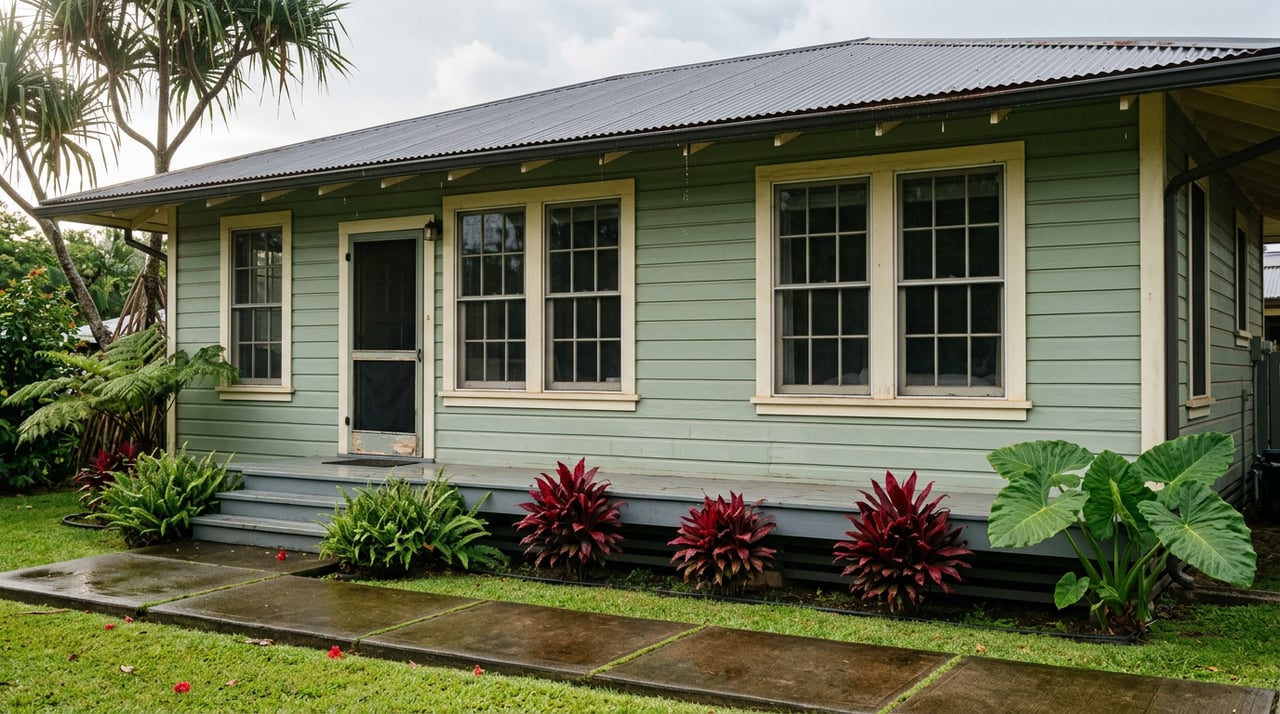
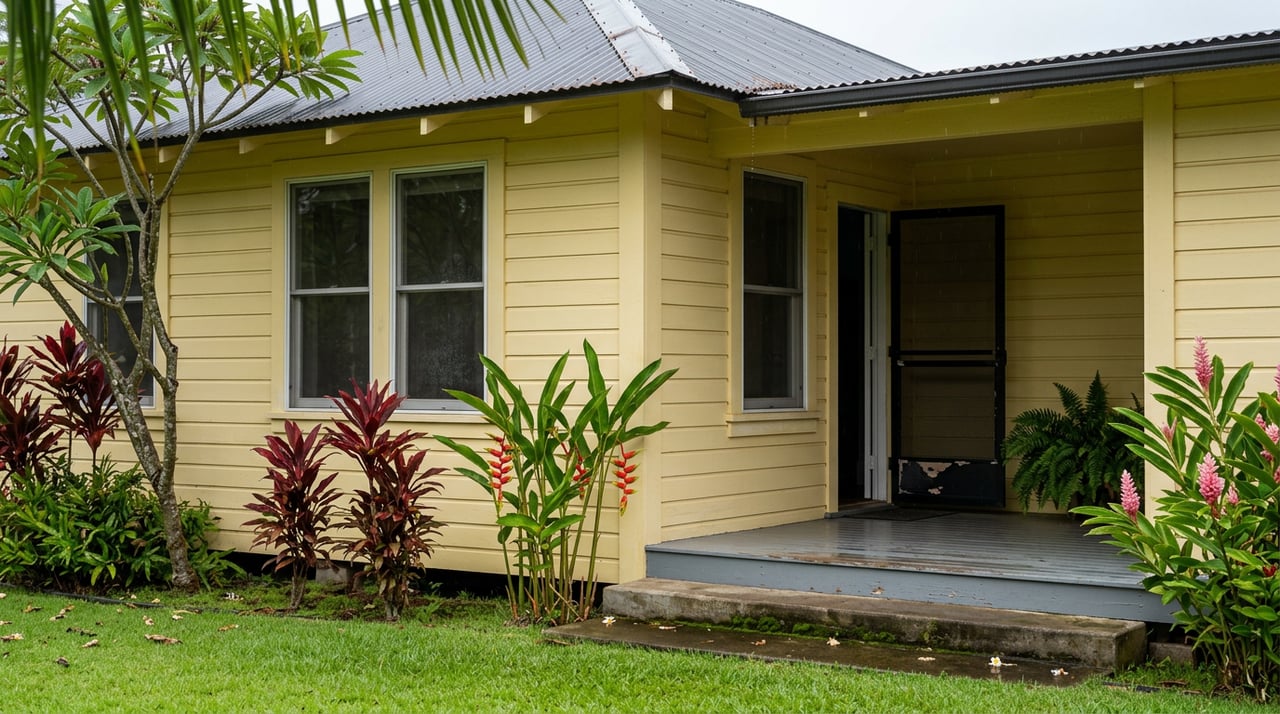
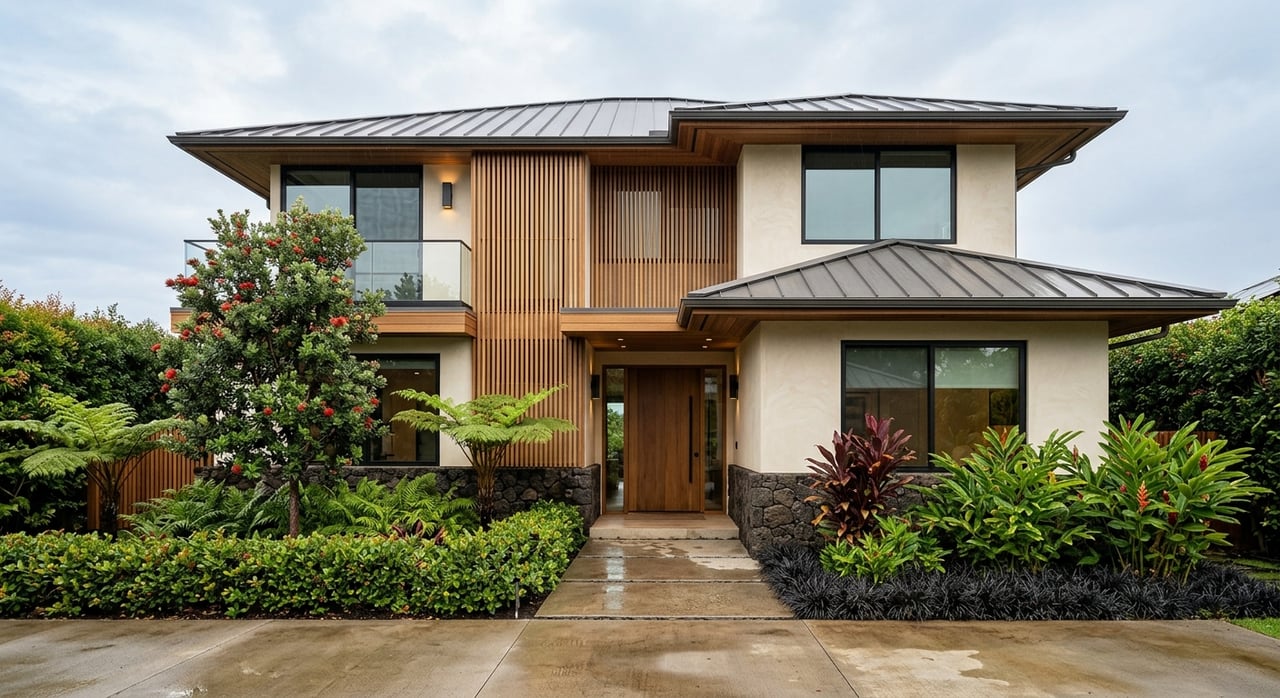
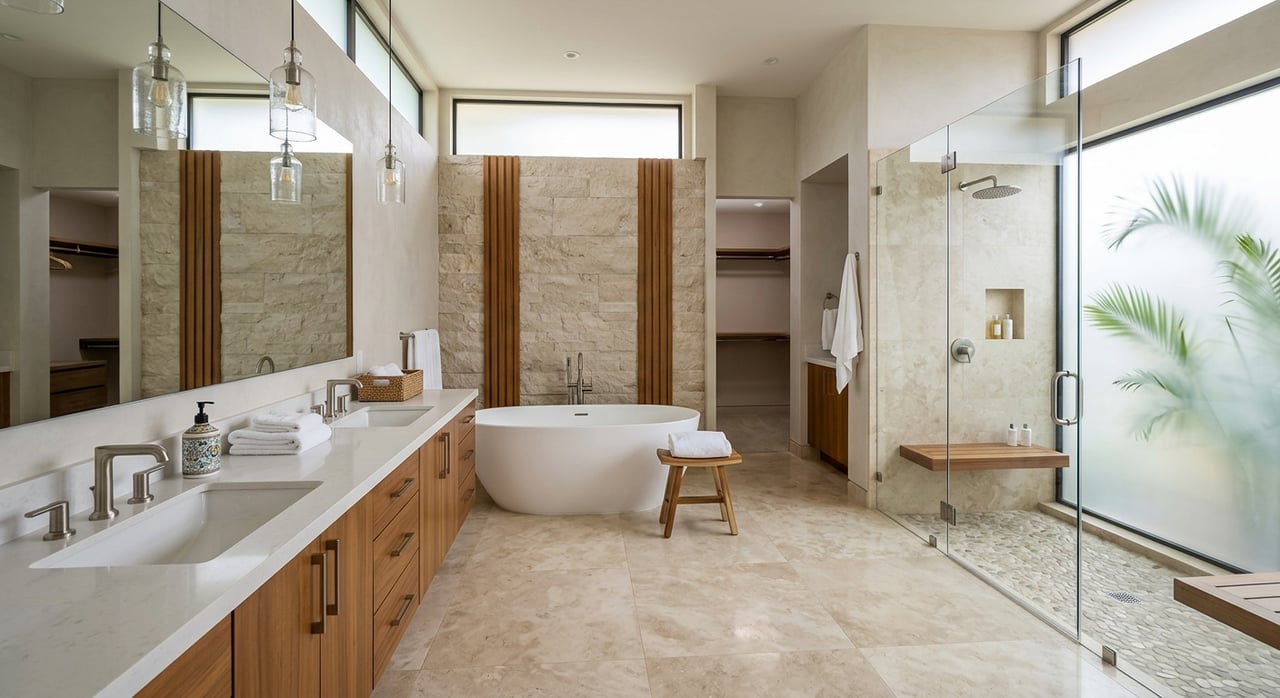
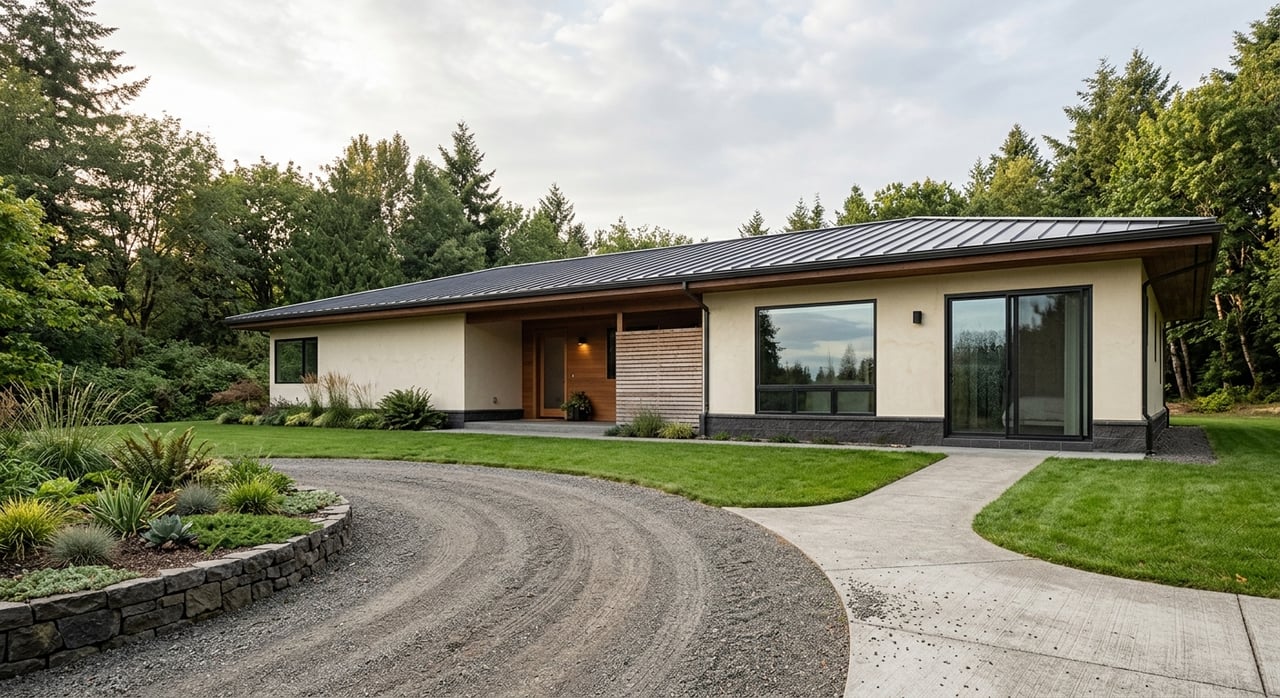
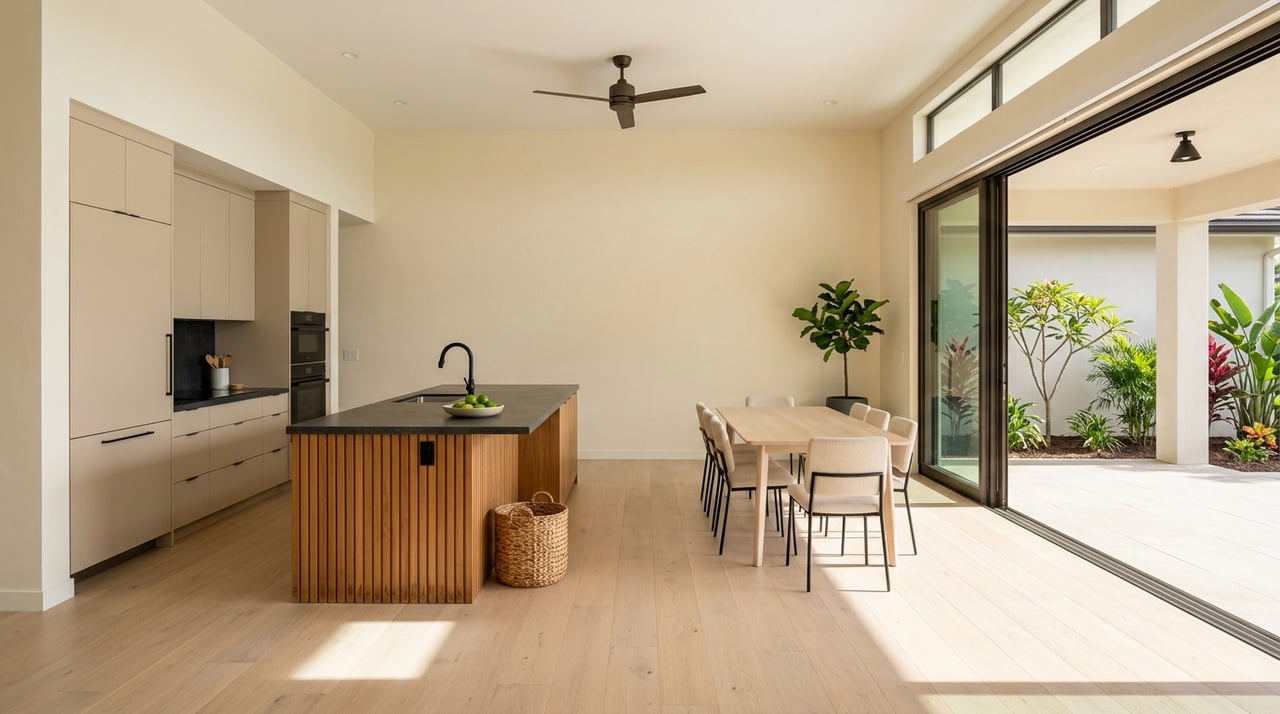
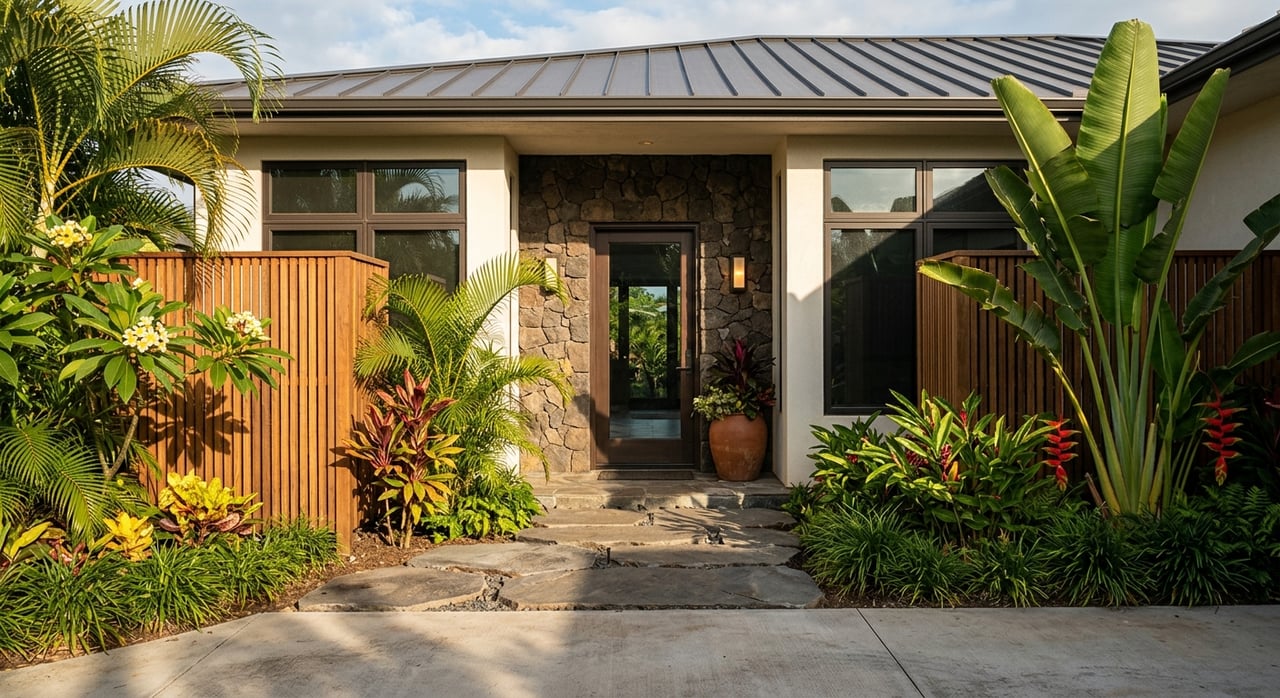
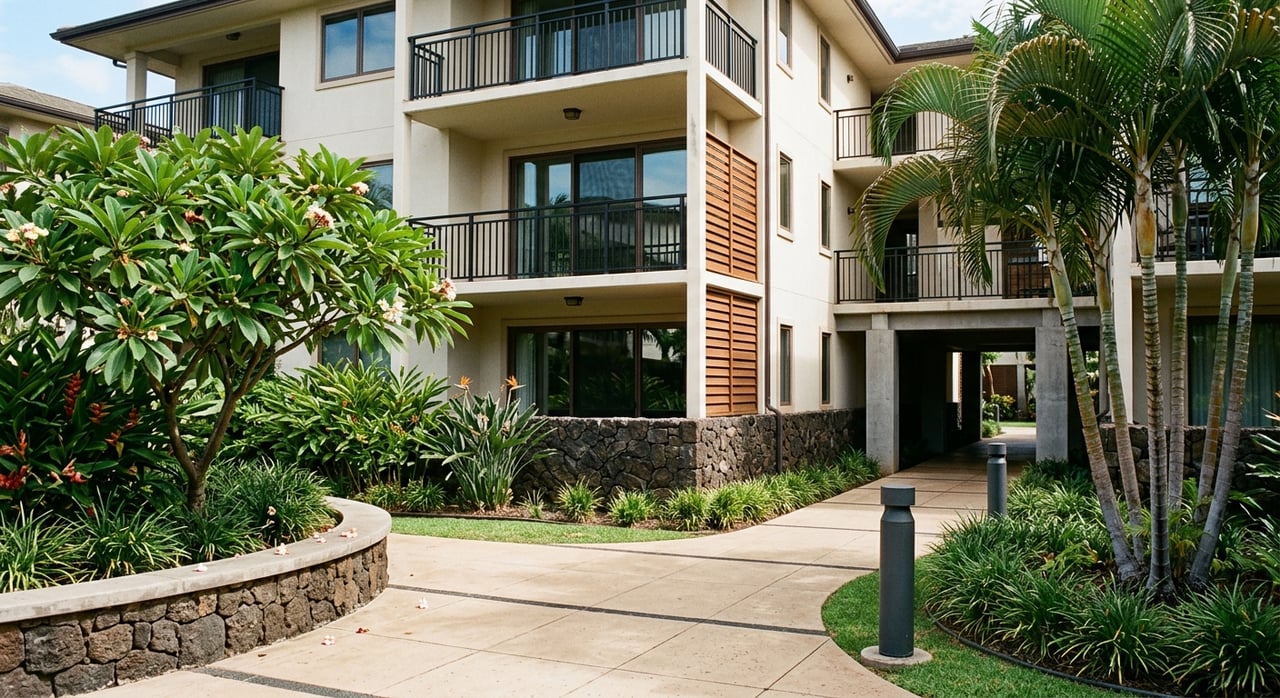
Kailua-Kona has a mixed housing pattern rather than one single neighborhood style. Census QuickFacts for the Kailua CDP show a 67.0% owner-occupied housing rate and a median owner-occupied home value of $667,400 for the 2020 to 2024 period.
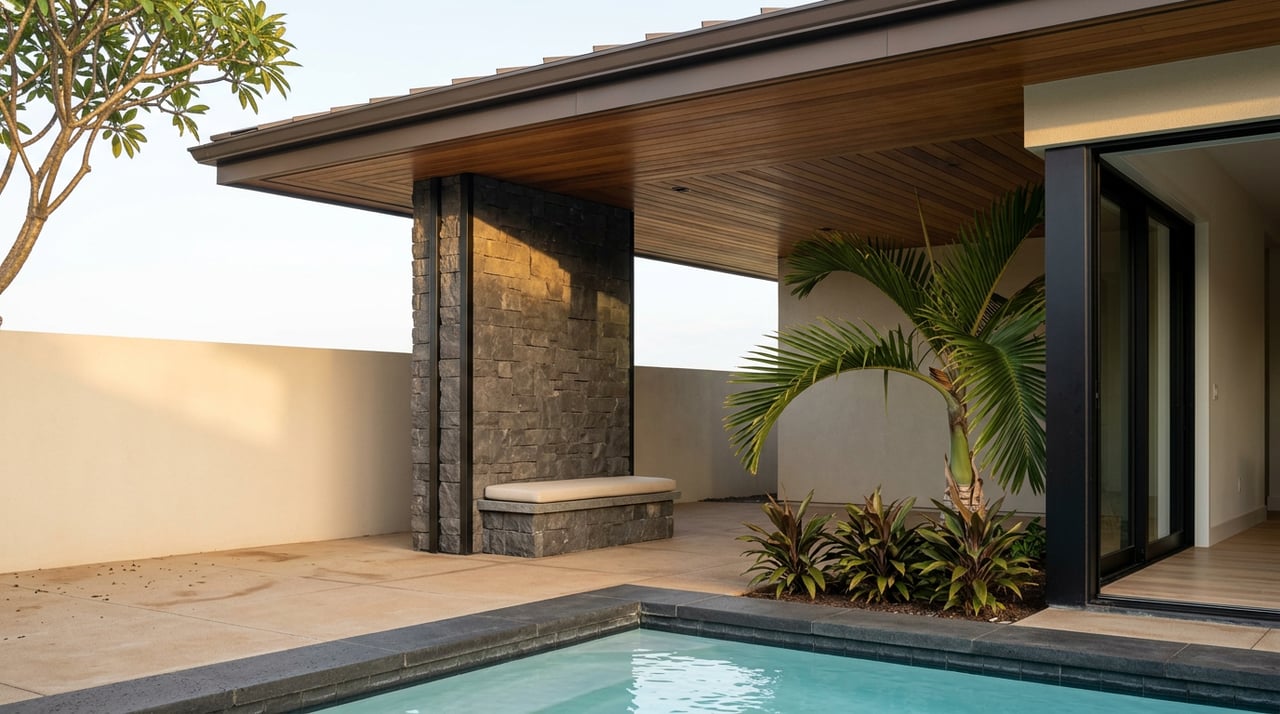
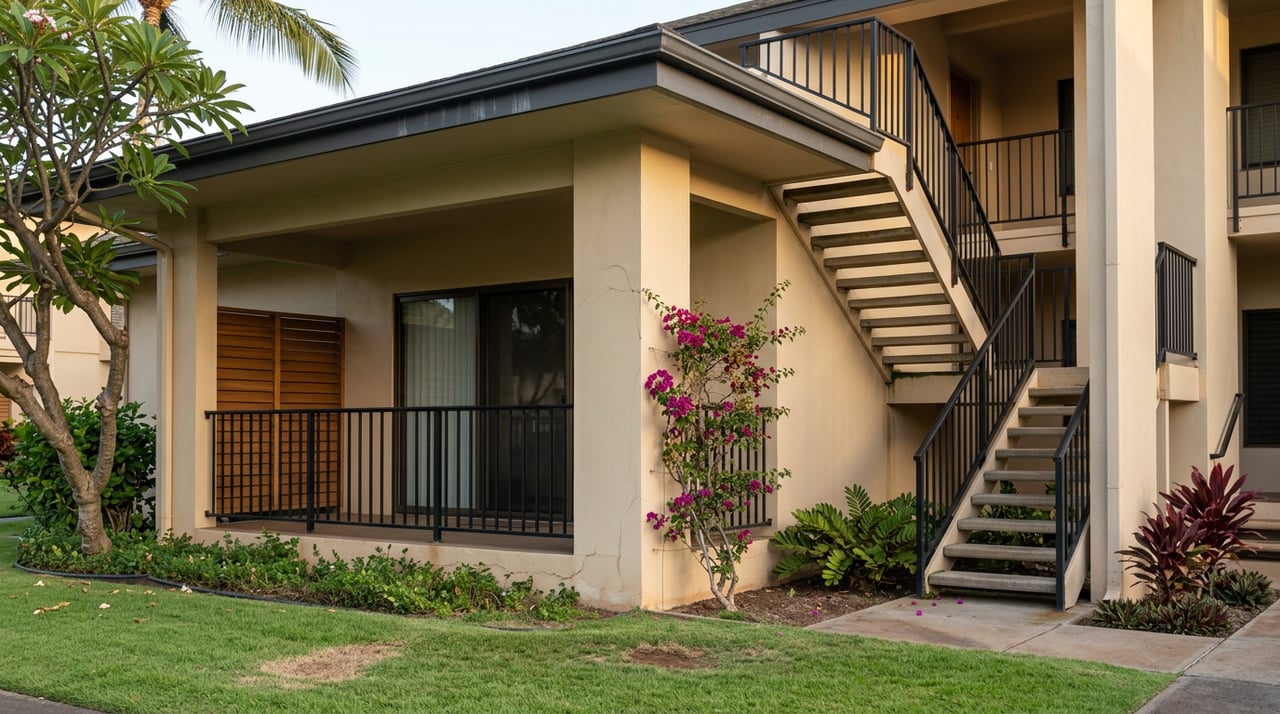
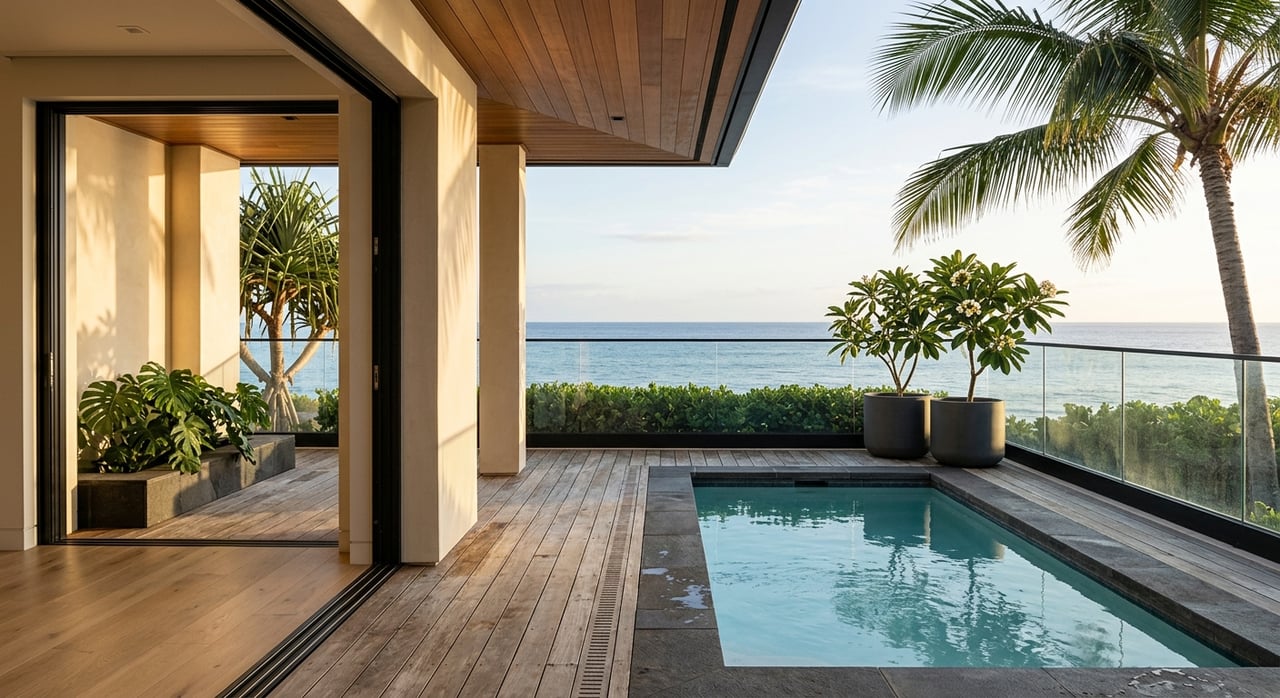
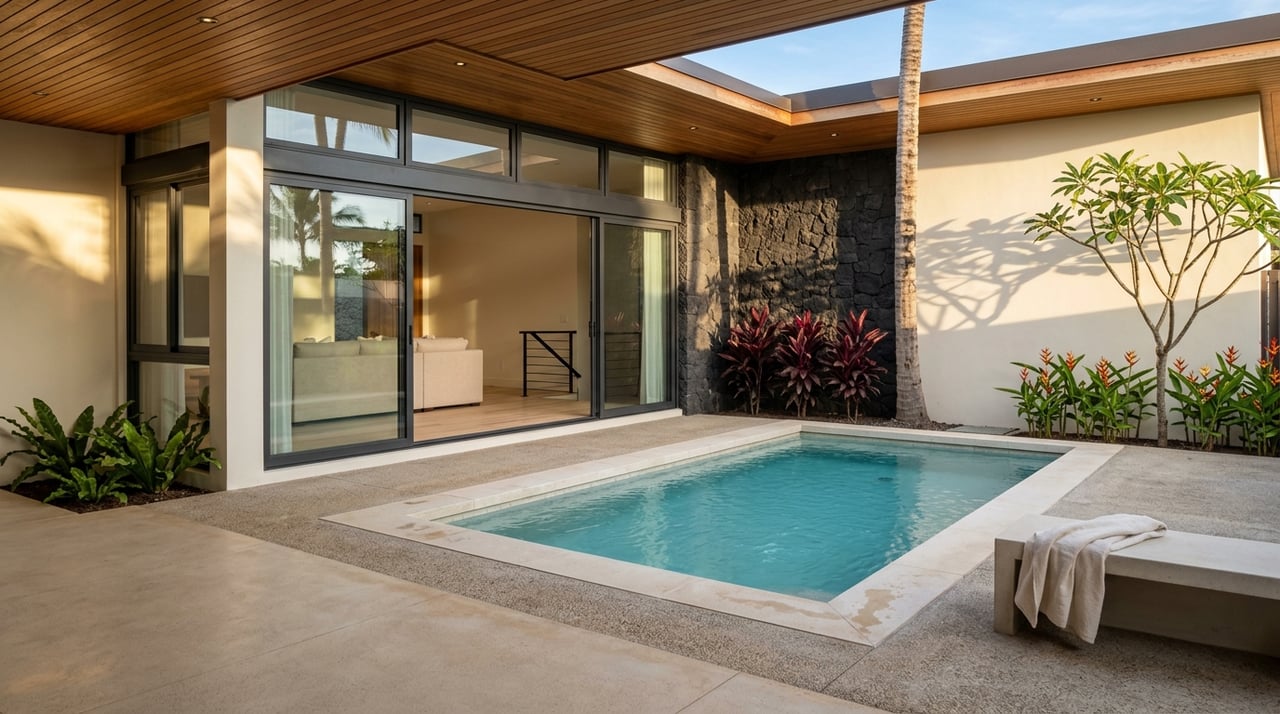
County planning information for the Kona-Keauhou corridor also describes decades of development that include hotels, condominiums, resort homes, and commercial facilities. For you as a buyer or future resident, that means the area can offer a broad mix of living options depending on your goals, budget, and desired proximity to town or the coast.
If you are searching here, it helps to think less in terms of one standard suburban pattern and more in terms of property type, setting, and daily-use convenience. In Kona, those details can shape your lifestyle as much as square footage does.
Transportation Is Simple, But Driving Helps
Public transit is available in Kailua-Kona, but it is limited and route-specific. Hawaiʻi County’s Hele-On system includes Route 201, the Aliʻi Drive Circulator, and Route 202, the North and Central Kailua-Kona circulator, with additional airport-related flex service connected to Route 202.
The airport also notes limited bus service between KOA and Kailua-Kona town. In everyday life, that usually means having a car is the easiest option for most residents, even though some core areas are bus-served.
For many new residents, this is one of the most practical move-in realities to plan for early. Short drives are a normal part of life here, whether you are heading to the store, the beach, or a medical appointment.
Healthcare and Daily Services
Healthcare access in the area is centered around a few important locations. Aliʻi Health Center in Keauhou Shopping Center offers primary care along with multiple specialty services.
For hospital care, Kona Community Hospital provides around-the-clock care in Kealakekua. While the hospital is not in the immediate downtown core, residents have both a town-side clinic option and a regional hospital serving the broader area.
The Daily Rhythm New Residents Notice First
The biggest lifestyle shift in Kailua-Kona is often the pace. Instead of organizing your day around long commutes or packed schedules across a large metro area, life here often centers on a tighter loop of home, errands, outdoor time, and short drives.
A typical day might include a grocery stop, lunch on Aliʻi Drive, an appointment in Keauhou, or a walk near Kailua Pier before heading home. That concentrated, outdoors-first rhythm is one of the reasons many people find Kona both practical and enjoyable once they settle in.
What This Means for Your Move
If you are considering a move to Kailua-Kona, it helps to picture the lifestyle as much as the property itself. Living well here often comes down to choosing a home that fits your preferred daily pattern, whether that means easier access to town, proximity to Keauhou, or a setting that gives you the right balance of privacy and convenience.
That is where local guidance matters. A home can look great online, but the real question is how it supports the way you want to live in Kona every day.
If you are planning a move and want practical, island-informed guidance on homes, condos, or land in the Kona area, Hawaii Development Group is here to help you move forward with clarity and confidence.
FAQs
What is everyday life like in Kailua-Kona for new residents?
- Everyday life in Kailua-Kona usually centers on short drives, ocean-oriented recreation, errands in a few main hubs, and regular time spent around Aliʻi Drive, Historic Kailua Village, and Keauhou.
What is the weather usually like in Kailua-Kona year-round?
- NOAA data shows a mean annual temperature of 78.2°F in Kailua Kona, with average daily highs around 84.2°F, lows around 72.3°F, and generally low annual rainfall at 9.87 inches.
Where do Kailua-Kona residents shop for daily needs?
- Many residents use hubs like KTA Super Stores on Palani Road and Keauhou Shopping Center for groceries, dining, and everyday services.
Are there farmers markets in Kailua-Kona for regular shopping?
- Yes. The Kailua Village Farmers Market and the Keauhou Farmers Market are both part of normal weekly life and offer local produce, coffee, and island-made foods and goods.
Do you need a car to live in Kailua-Kona?
- Usually, yes. Hele-On bus service exists in parts of Kailua-Kona, but it is limited and route-specific, so a car is the easiest option for most day-to-day needs.
What kinds of homes are common in Kailua-Kona?
- The area includes a mix of housing types, including condominiums, resort homes, owner-occupied houses, and other residential properties across the Kona-Keauhou corridor.