The first thing you notice driving Akoni Pule Highway on a Saturday in August is how much is happening in a stretch of road you can walk end to end in twenty minutes. Under the banyan across from the post office, someone is unloading crates of lilikoi. Two doors down at Kohala Coffee Mill, the 6 a.m. line has thinned but not disappeared. By afternoon there will be a taiko drum being carried out of a temple yard a few miles east.
The calendar looks quiet from far away. Up close, it is the busiest month North Kohala runs.
One Highway, Four Jobs
Hawi and Kapaʻau are usually written up as two separate towns. In practice they operate as one corridor, roughly three miles of storefronts, temples, galleries, cafés and gathering halls strung along a single road. In August that corridor does four jobs at once. It is a farmers market on Saturday morning, a bon dance ground on Saturday evening, a gallery walk any weekday the light is decent, and the everyday grocery-and-coffee run for the people who live here.
That compression is the story of the month. The same block that sells you tomatoes at nine sells you sushi at seven and hosts a memorial dance at dusk.
8 a.m. Saturday: The Market Under The Banyan
The Hawi Farmers Market runs Saturdays, 8:00 am to 12:30 pm at 55-514 Hāwī Rd, tucked at the entrance to the Kohala Village HUB across from the big banyan. The vendor list rotates but the shape of the market does not: local produce, seafood, eggs, honey, prepared foods, and handmade goods, mostly from producers within the North Kohala district.
Two things are worth knowing if you have not been in a while.
First, the market is small by design. It is not the 150-plus vendor operation the Hilo Farmers Market runs on Wednesdays and Saturdays. You can circle the whole thing in ten minutes and still get through every table.
Second, the climate above town is doing the shopping for you. The area near the summit of Kohala Mountain receives approximately 150 inches of rain a year, and the varied climates from coast to crest allow for a bounty of produce and healthy grass-fed livestock. That is why a market this size can carry both dry-side avocados and wet-side taro on the same morning.
If you only have one Saturday errand in you, do the market first and the coffee stop second. The tables that sell out tend to sell out by 10.
Bon Dance Season Lands Mid-Month
August is bon dance season across the state, and the North Kohala calendar hits mid-month. The Japanese Cultural Center's 2026 Obon list shows Hāwī Jodo Mission at 6:00 p.m. on Aug. 15, with Kamuela Hongwanji the same evening at 7:00 p.m. The Jodo Council notes that dates and times of Bon Dance events are subject to change, and contact information for each temple is provided so please contact the respective temple to confirm details before attending. Call ahead. This is a season where a rainstorm or a family schedule shifts a service by a week.
A few practical notes for anyone who has not been to a bon dance before, or who moved here recently and has been curious:
- Everyone dances. Skill is not the point. Kids run the outer ring, kūpuna anchor the inner one.
- There is no admission fee. Food booths usually run cash-only.
- Bring a light layer. The evening pulls cool once the sun clears the Kohala ridge.
- The dance follows a short service. Arriving thirty minutes early is normal.
Hawi Jodo Mission sits at 55-1104 Akoni Pule Highway. Rev. Yukei Kimura began teaching Japanese language and Buddhism to the children of Hawi in 1905 at the request of immigrants who worked on the sugar plantation, Rev. Ohzen Suzuki built the classrooms in 1906, and the building completion ceremony was held in conjunction with the arrival of the statue of Amida Buddha on November 27, 1909. That is a hundred and seventeen years of continuous community programming on one lot, which is worth remembering the first time you walk into the yard.
The Food Circuit, Sorted By What You Actually Want
Every North Kohala food list on the internet is the same list in a different order. What is useful is knowing which door to open based on what you are actually hungry for.
Coffee and a bench to sit on. A line forms outside Kohala Coffee Mill before it opens at 6 a.m., and it stays packed all day. Grab a cup, walk upstairs to the fudge shop, then take it to the lānai.
Breakfast that will not slow you down. Sweet Potato Kitchen on Akoni Pule in Hawi runs a plant-forward menu in a brightly decorated space with deep orange walls and neat rows of tables dotted with hydroponic plants. Waffles are the crowd order. The Huevos Paniolos is the one worth going back for.
A weekday lunch that is not a plate lunch. Motek Bakery on the Kapaʻau side of the corridor keeps a rotating pastry case and short savory menu. Pomaikaʻi Cafe covers the sit-down version a few doors up.
Plate lunch when you need one. L & L Hawaiian BBQ at 54-3886 Akoni Pule handles the weeknight version. Mi Ranchito at 55-3419 Akoni Pule handles the Mexican side of that same craving.
Dinner with people you like. Bamboo Restaurant is the room the town books for anniversaries. The building is over 100 years old, and the Takata family ran a dry goods store there for 65 years; many of the interior and exterior colors are original. Sushi Rock, a few doors down, is the other reservation people make. Both fill up on Friday and Saturday.
Something sweet at the end. Kohala Rainbow Cafe on the Kapaʻau end. Or double back to Upstairs at the Mill and get the lilikoi fudge.
Something newer. Street Peek Thai and Rising Tide Poke have both been drawing steady weekday traffic on the Hawi end of the corridor, and are the kind of places worth watching as the food scene continues to shift.
The Galleries Are Doing More Work Than They Look Like
The Hawi galleries can read like tourist storefronts on a first walk-through. They are actually the reason a lot of Kapaʻau's older buildings are still lit up. Elements Jewelry & Fine Crafts at 55-3413 Akoni Pule and the two Ackerman spaces in Kapaʻau, Ackerman Galleries and Ackerman Fine Arts, function as the anchor tenants for the block, which is how you can walk out of a temple service on Saturday night and still find a storefront open at nine.
If you have not walked the Kapaʻau galleries in a while, August is the month. The King Kamehameha I statue in front of the North Kohala Civic Center gets refreshed lei through the summer after the June 11 celebration, and the gallery walk is a natural loop from the statue back toward Hawi.
Where Everyone Ends Up When It Rains
Rain days above 700 feet in North Kohala are common enough that the town has quiet indoor options for them.
The North Kohala Public Library, on Akoni Pule between the two town centers, is one of the more interesting public buildings on the island. The 6,000 square-foot green library opened on Nov. 8, 2010, and in Dec. 2011 it became the first Hawaii State Public Library System library and first state building in Hawai'i to achieve LEED Gold Certification. Wind and photovoltaic energy systems help the branch save about $1,500 annually on electricity bills. Programming this summer includes a Wednesday 10:00 a.m. storytime with songs, simple stories, and a craft or activity aimed at 2 to 5 year-olds and their caregivers, and a LEGO club meeting every Wednesday from 2:00 to 3:00 p.m. where participants can free build or collaborate on a themed group project voted on at the start. The Summer Reading Challenge wraps with a bubble-and-magic show. Two library holiday closures to keep on the fridge: all public libraries will be closed on Friday, August 21, 2026 in observance of Statehood Day, and the branch will be closed Saturday, September 5 through Monday, September 7, 2026 for Labor Day.
Two blocks away, the Kohala Village Hub is the other indoor default. The Barn is a spacious, semi-enclosed venue equipped with tables, chairs, a food service area, and separate restrooms including ADA-compliant options, frequently used for weddings, reunions, concerts, and community events. The Hale is an enclosed venue with hardwood floors and mirrored walls, ideal for dance, yoga, hula, and other movement-based classes, with access to an ADA-compliant restroom. If your Saturday morning market turns into a Saturday afternoon yoga class, that is where it happens.
One Quiet Note For Homeowners
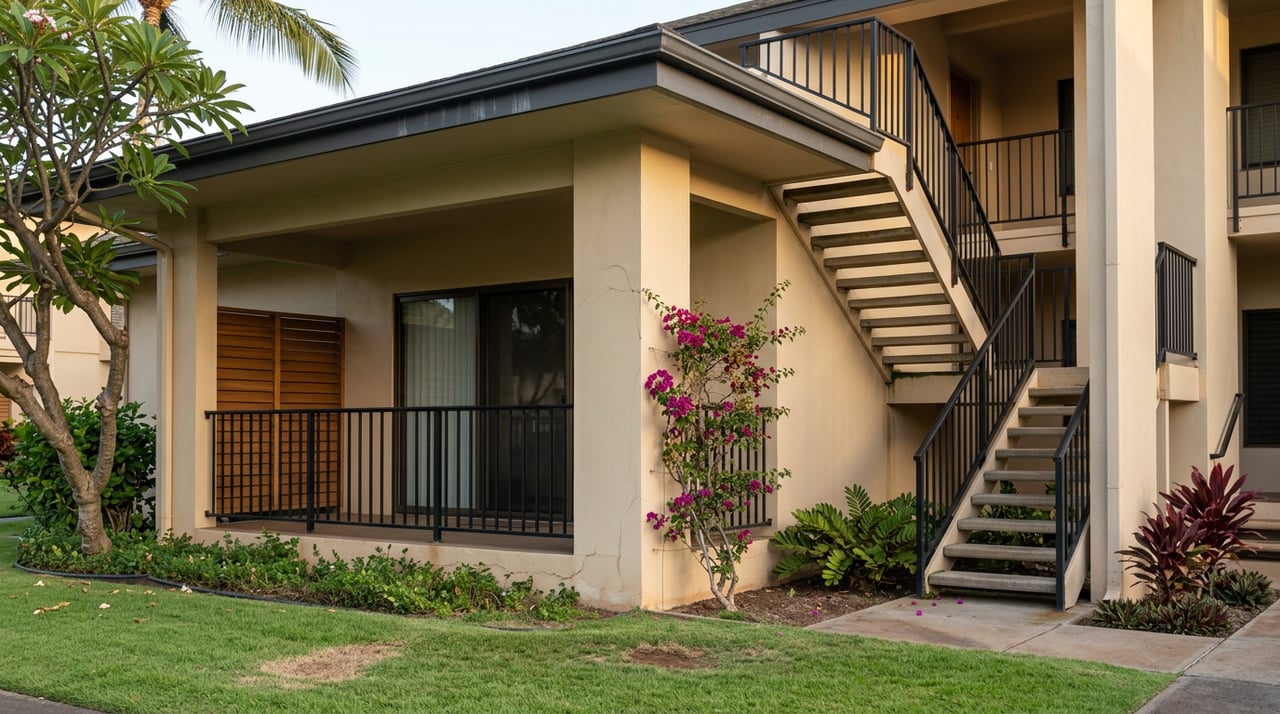
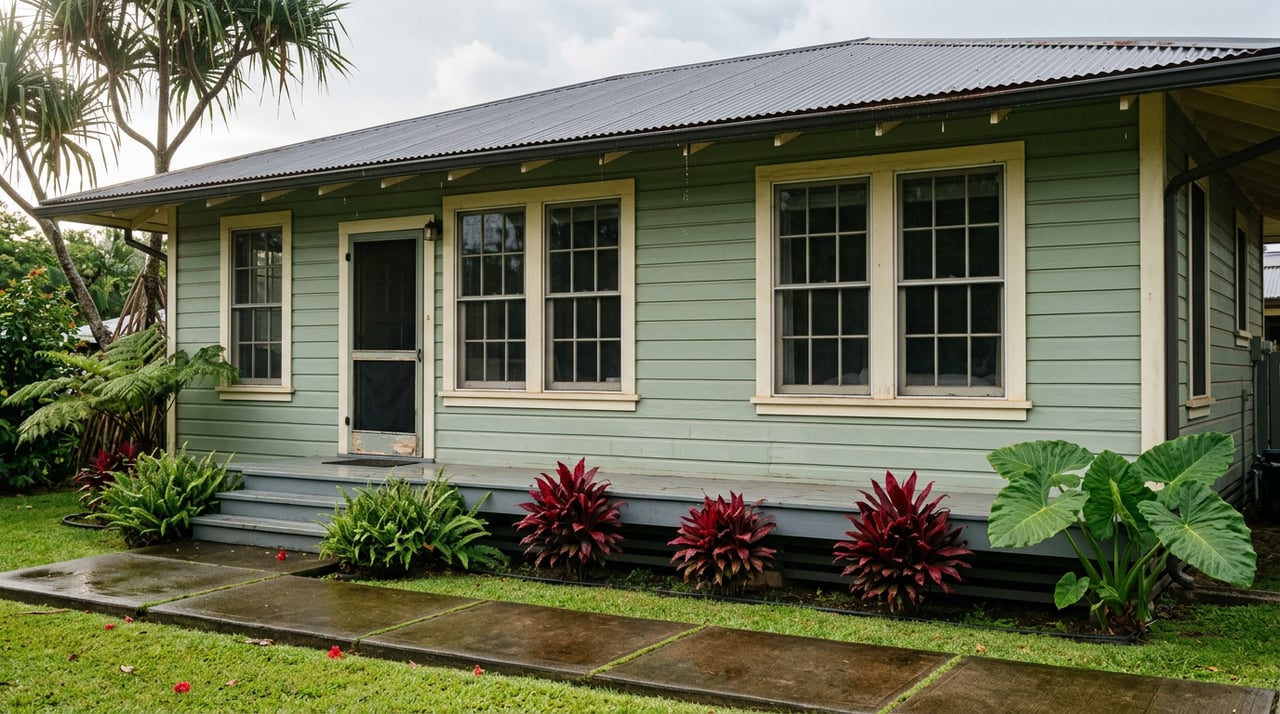
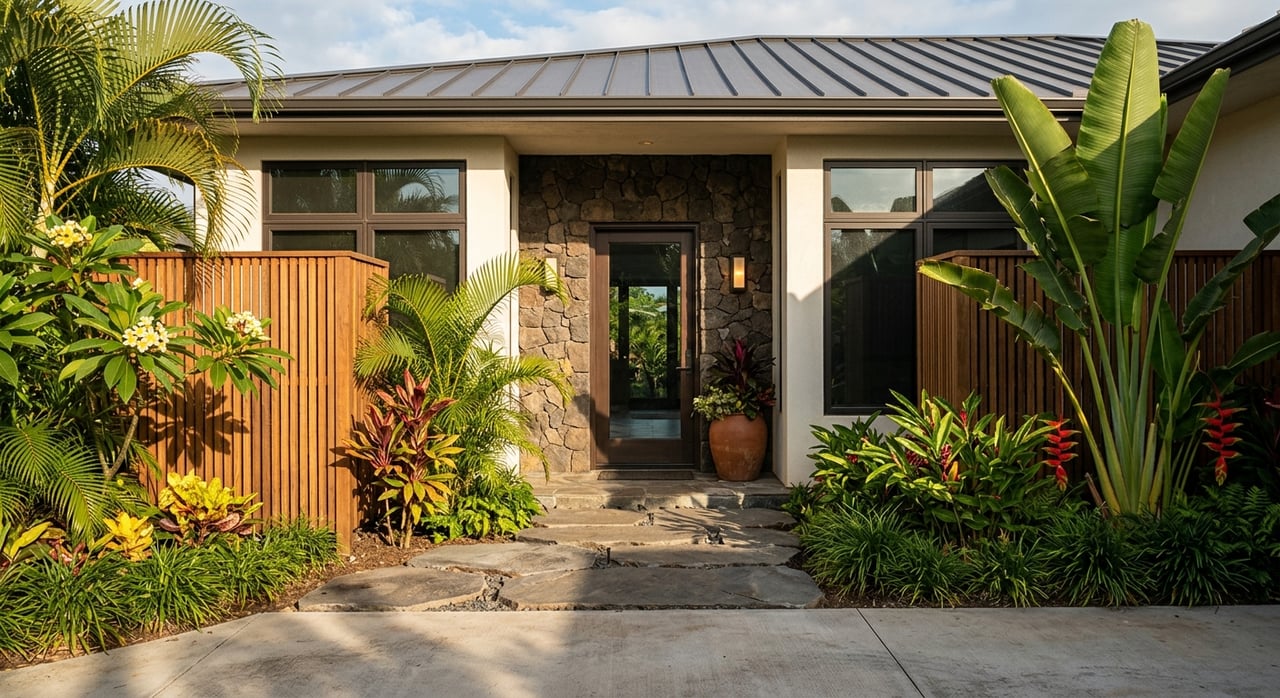
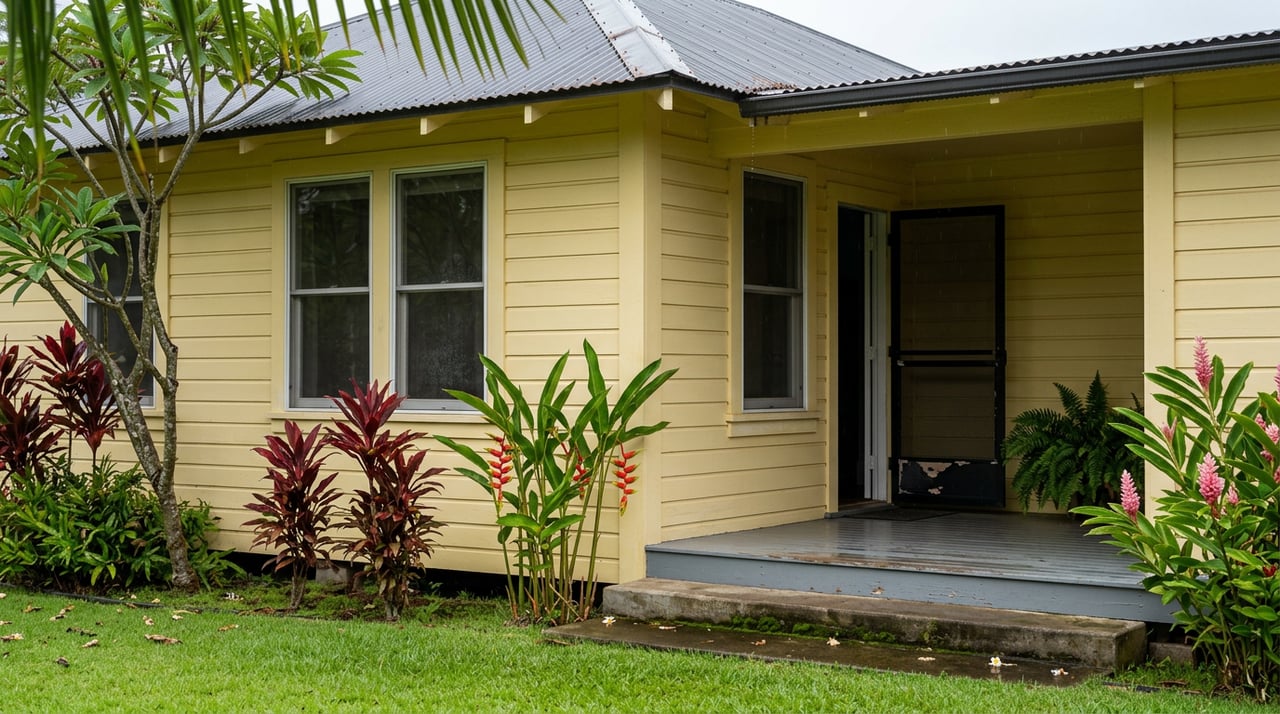
The stretch of Akoni Pule Highway from Hawi to Kapaʻau is one of the few places on the Big Island where the same road serves as market, main street, and event ground. That is a lifestyle detail, and it is also a property detail. Roof condition matters more here because the wet side of the corridor pulls 100 inches or more of rain in a normal year at higher elevations. Water sources, catchment tanks, and gutter systems on older plantation-era homes are worth a close look before either a sale or a listing. If you have owned a Hawi or Kapaʻau home for a decade without a systems check, August is a soft month to schedule one, before the fall rains land in earnest.
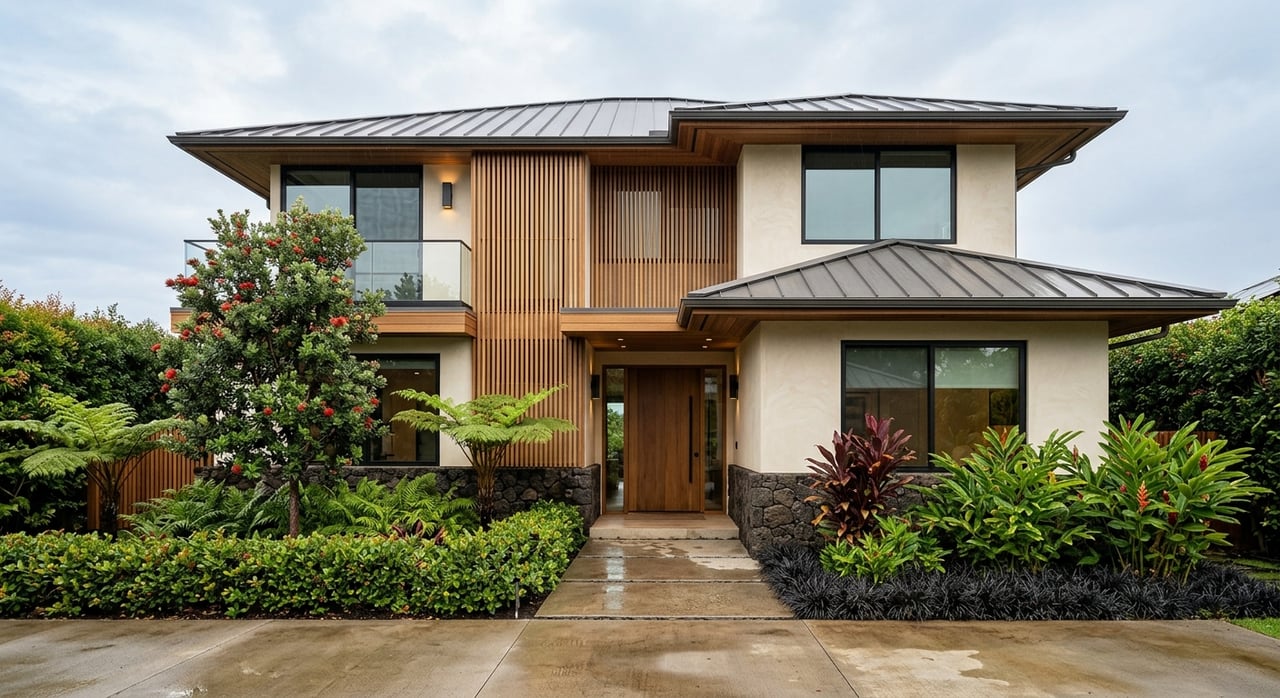
If you would like a second set of eyes on a North Kohala property, whether you are thinking about selling in the next twelve months or just want a builder's-eye read on what your home needs, Hawaii Development Group is available for a private consultation. Schedule a Private Consultation and we will walk the property with you.