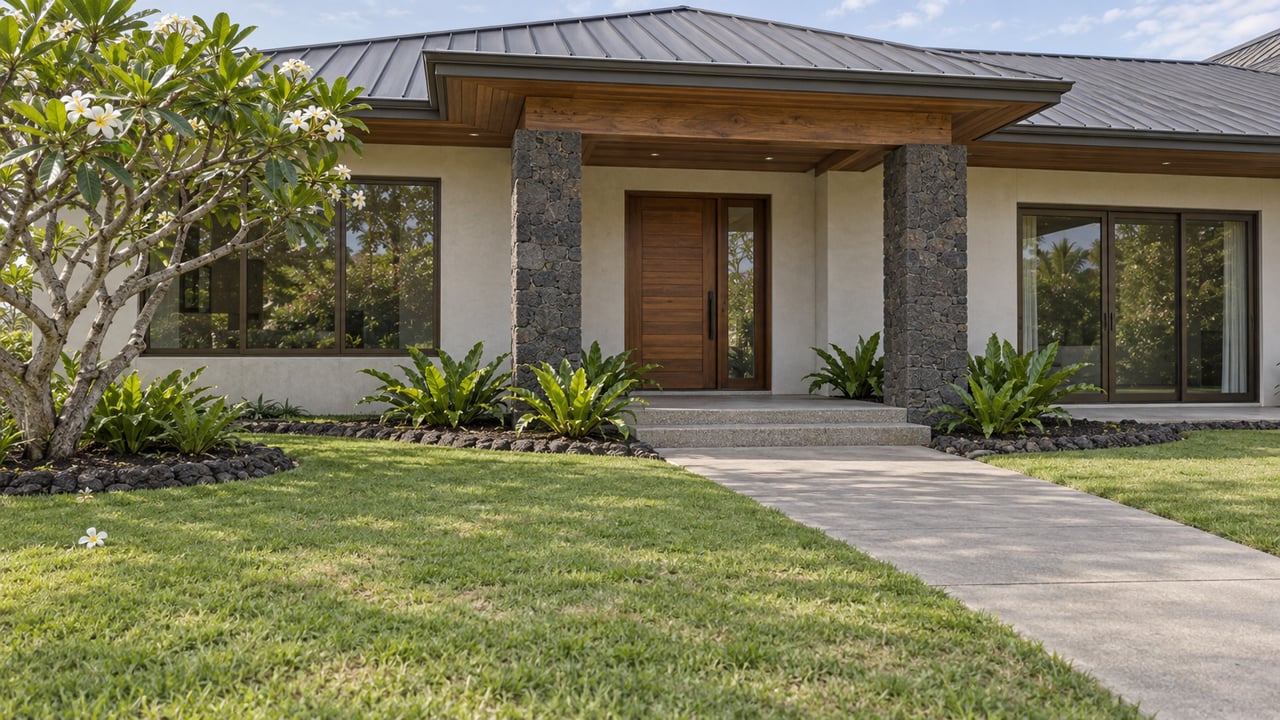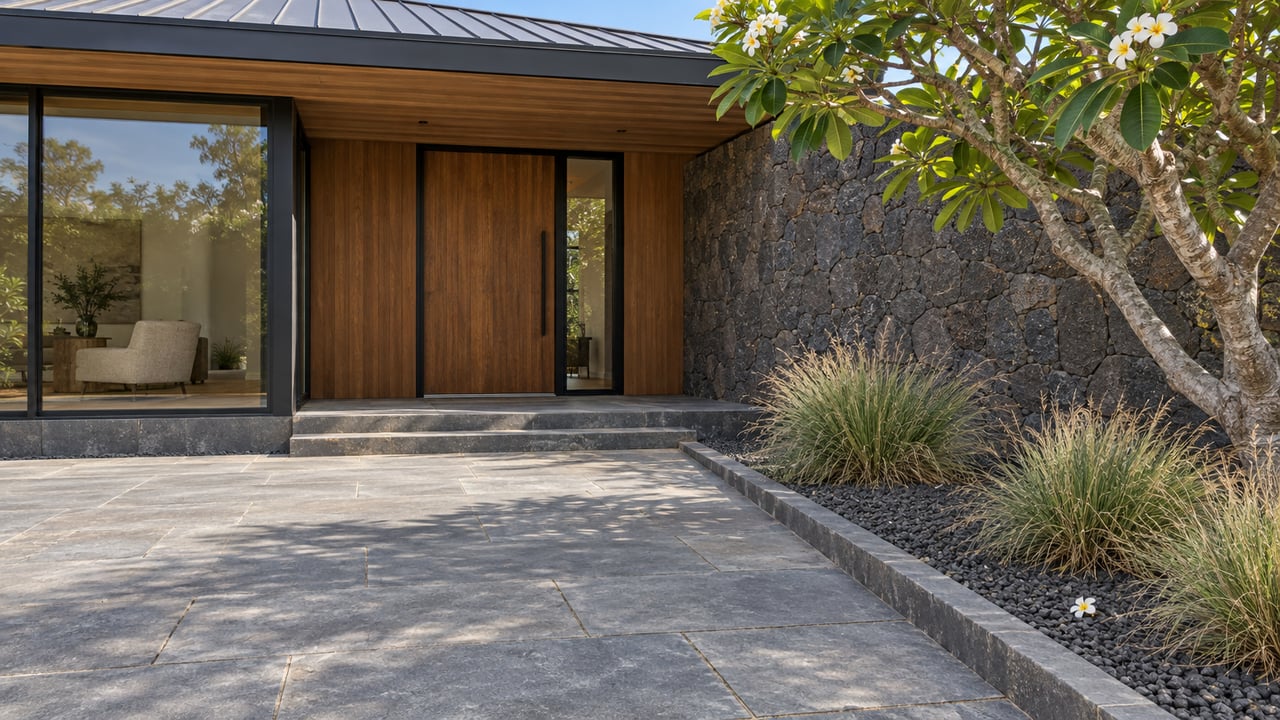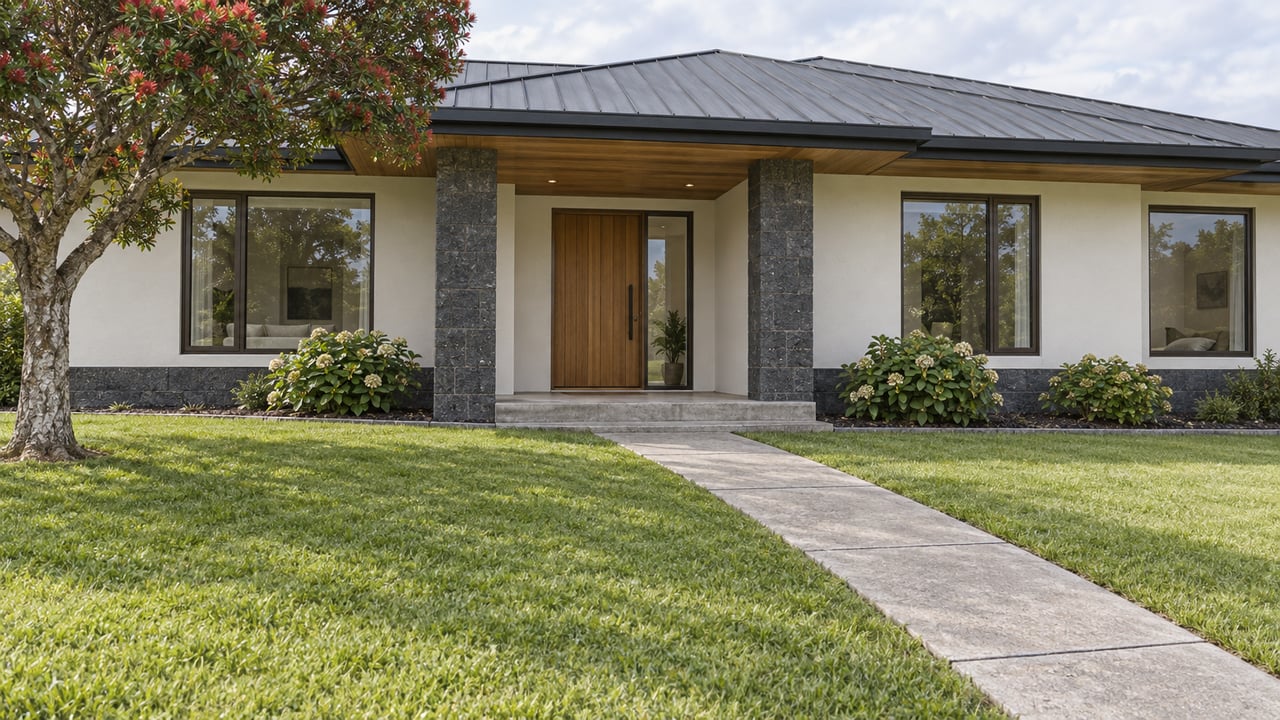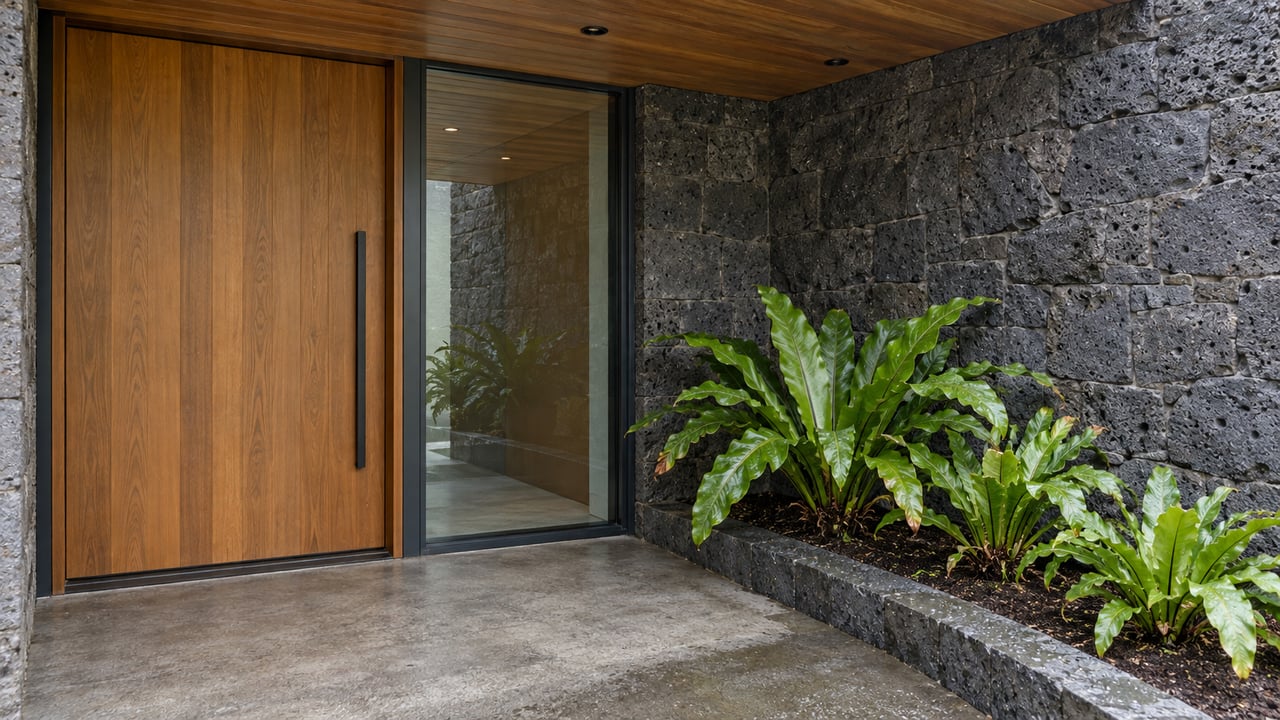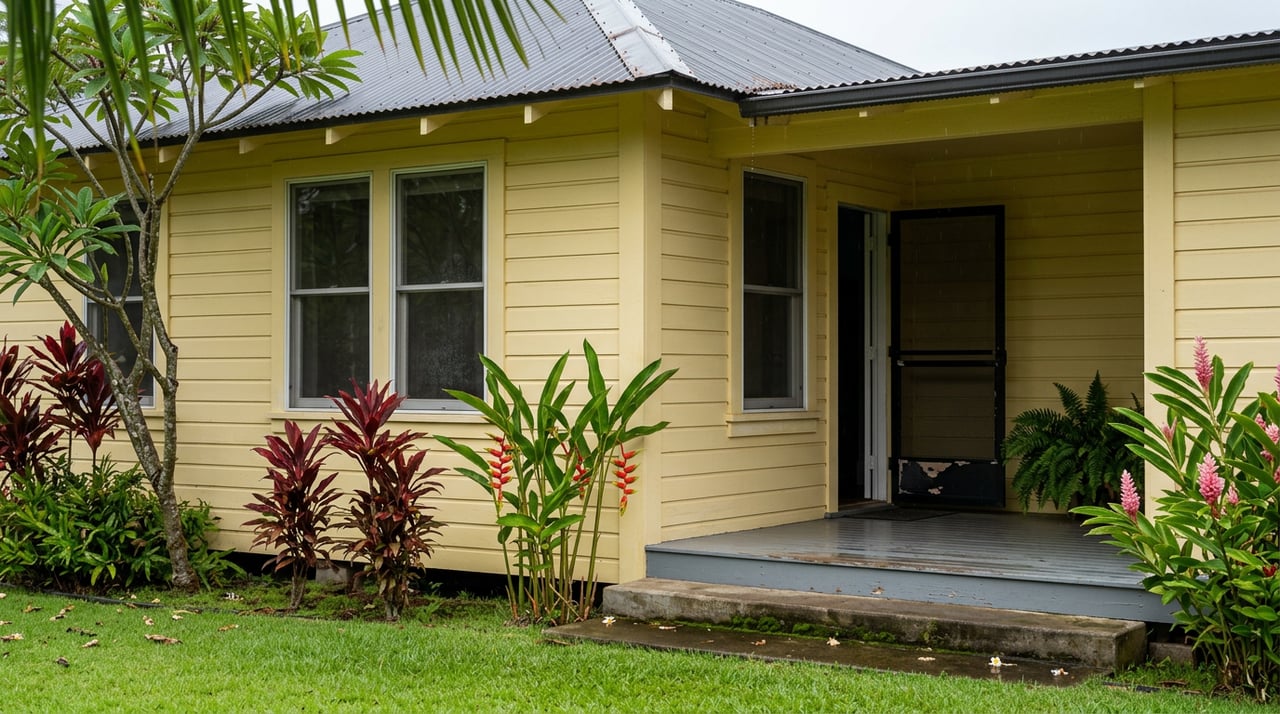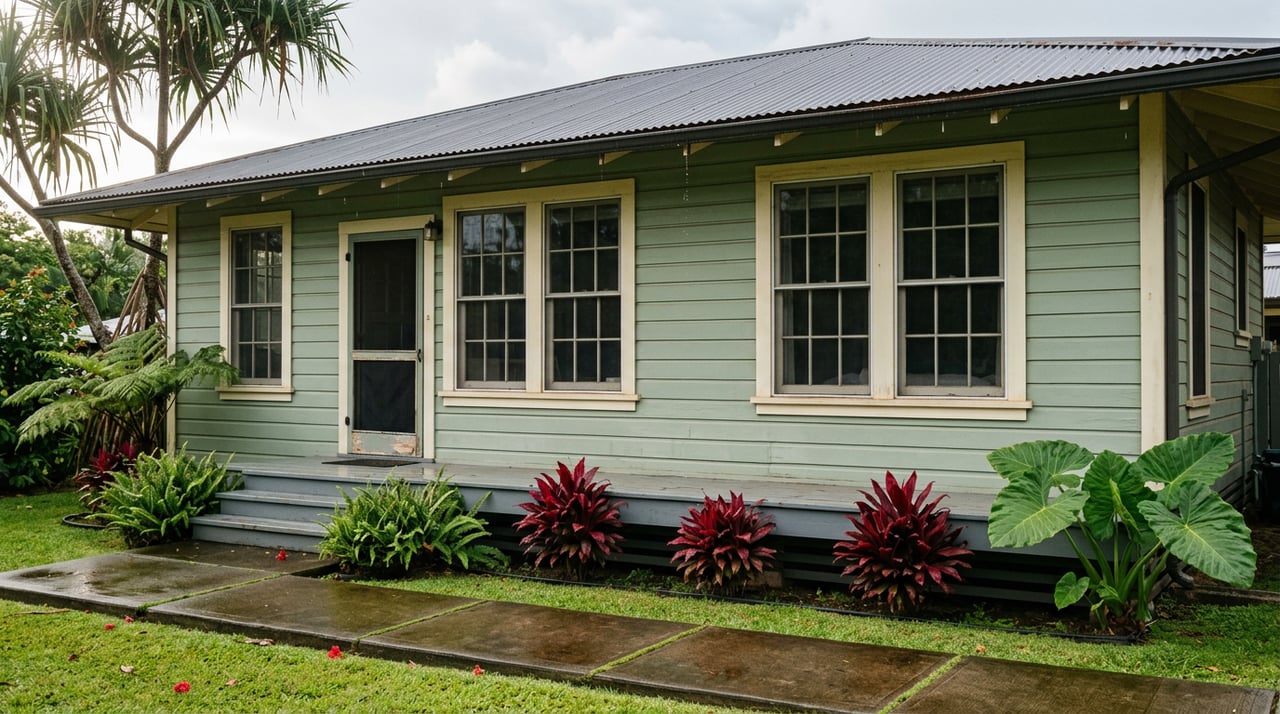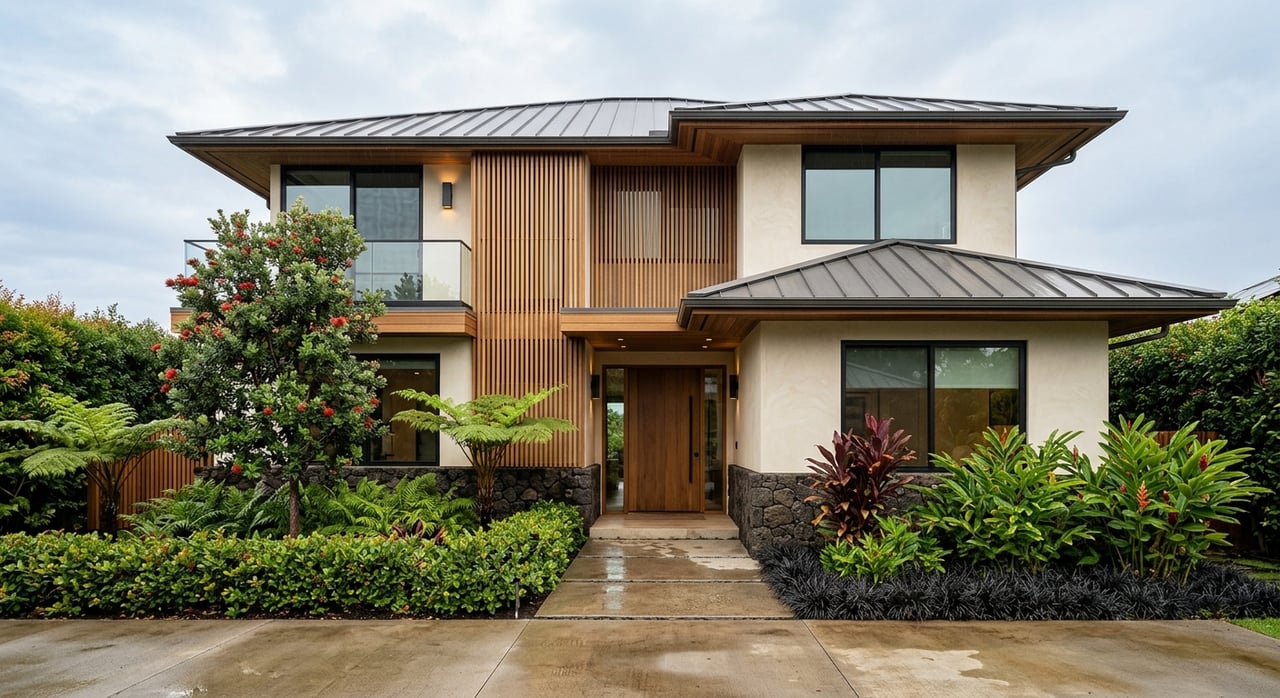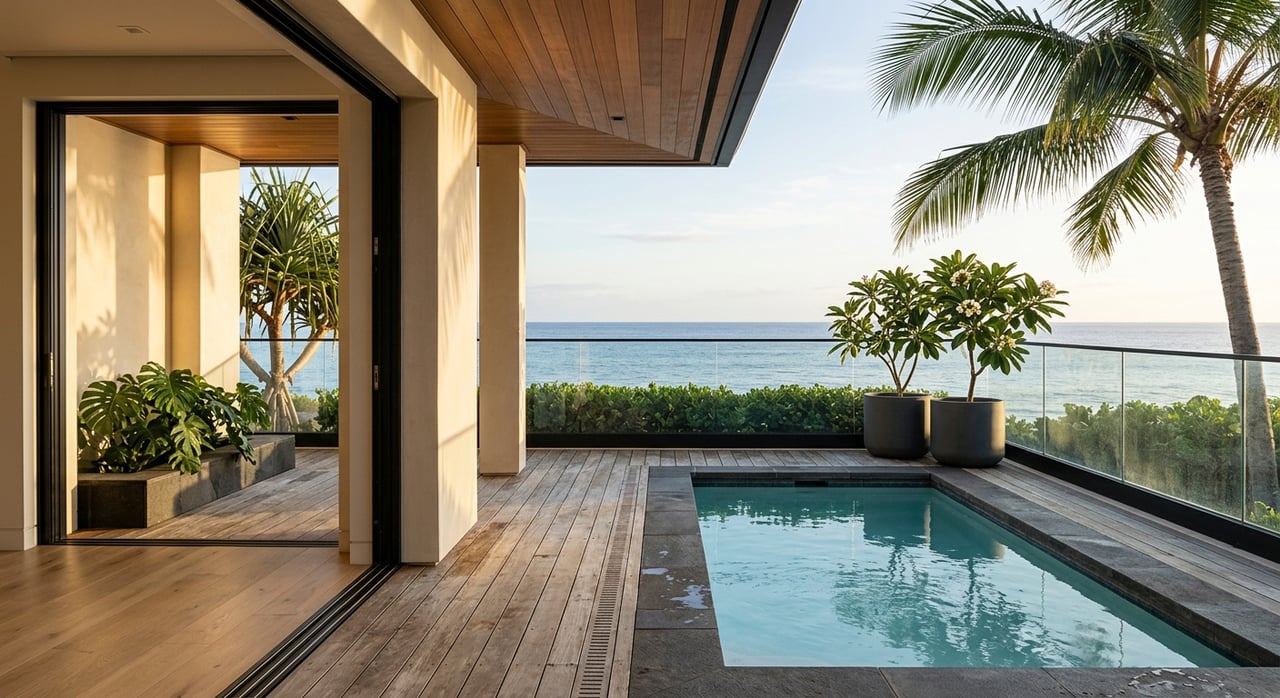
A buyer looking at two Kailua-Kona listings a few miles apart, both in the mid-$700s, might assume they are choosing between a view and a yard. What they are actually choosing between, more often than not, is a water system, and that choice can change how their lender treats the file from day one.
Kona gets talked about as a single market. It isn't. Drop from the coast toward Holualoa and the upper coffee belt, and you leave county water territory and enter catchment country, sometimes within the same subdivision. The house doesn't look different from the street. The paperwork does.
Same Zip Code, Two Different Water Systems
Kailua-Kona sits on the dry side of the island, and at sea level that dryness is real: the coastal strip averages roughly 20 to 40 inches of rain a year. Climb toward Holualoa, Honaunau, or Captain Cook and the coffee belt above them, and annual rainfall climbs to 40 to 60 inches. As a rough rule, every 1,000 feet of elevation gain adds rainfall and drops the temperature by about 3.5 degrees. A home in Holualoa at 1,400 feet can see triple the rain a coastal Kona home gets in the same year.
That rainfall gradient is also the water-infrastructure gradient. County water lines run reliably along the coast and through the main subdivisions near town. Once you're mauka, in places like Kalaoa, parts of Honaunau, and the higher-elevation lots above roughly 1,000 feet, catchment becomes the default rather than the exception. Even within a single subdivision the split isn't guaranteed one way or the other. Mauka developments like Kona Paradise and Kona Acres have a mix: some lots on county water, others on catchment, sometimes on the same street.
This isn't a permanent map, either. The county's Department of Water Supply has, in the past, worked with subdivisions that wanted to convert. The Kona Coastview and Wonderview subdivision is a documented example: an Improvement District process combined with USDA Rural Development loan and grant funding paid to upgrade a substandard water system to DWS standards, after which the county took it over. It's a reminder that "catchment" on a listing today doesn't necessarily mean catchment forever, but it does mean catchment right now, and right now is what your loan officer underwrites against.
What an Inspection Confirms, and What It Doesn't
A home inspector can tell you a lot about a catchment system just by looking at it: tank material and apparent age, gutter condition, whether a first-flush diverter is installed, how the plumbing routes from tank to house, and whether anything looks obviously wrong. What a standard inspection typically does not include is a water quality test. Confirming that the water is safe to drink, and that the tank holds enough for the household it serves, is usually a separate step, one buyers sometimes assume is already covered and later find out isn't.
Most catchment setups on the Big Island store somewhere between 10,000 and 30,000 gallons, which has to cover drinking, cooking, laundry, and everything else for the household. Whether that's plenty or tight depends entirely on how many people live there and how the system has been maintained, not on the number printed in the listing.
The Financing Step That Catches Buyers Off Guard
Here's the part that actually reshapes a transaction timeline. FHA and VA loans carry specific requirements for catchment properties that simply don't exist for a county-water home. VA guidance is explicit that a catchment system has to meet national standards for drinking water safety and functionality, and that typically means a water test as part of the loan file, not just the inspection report. FHA underwriting has its own version of the same concern, treating water safety on a catchment system as something that has to be documented before the loan can close.
None of this means a catchment property is unfinanceable. It means the file has an extra step that a county-water purchase doesn't, and that step takes time. A buyer who assumes their FHA or VA pre-approval works identically for a catchment home as it would for a coastal condo can find themselves requesting a water test in week three of escrow instead of week one.
| Coastal Kailua-Kona | Upper Coffee Belt (Holualoa and above) | |
|---|---|---|
| Typical elevation | Near sea level | 1,000 to 2,000+ feet |
| Annual rainfall | Roughly 20-40 inches | Roughly 40-60 inches |
| Common water source | County (DWS) | Catchment, with some mixed-service subdivisions |
| Storage to plan for | Not applicable | Often 10,000-30,000 gallons |
| Lender documentation | Standard | Water safety documentation required for FHA/VA; water test typically required for VA |
Vog Adds a Wrinkle Most Guides Skip
There's a maintenance detail specific to this side of the island that gets left out of general catchment write-ups: vog. Volcanic smog settles differently depending on where a property sits relative to the coast, and it changes what a catchment system needs. Installers working across the Kona district, including Pacific Blue Catchment, which services everything from Kailua-Kona and Keauhou up through Holualoa, Kalaoa, and the Hualalai slopes, run different protocols depending on exposure. South Kona properties sitting in heavier vog typically call for a calcite neutralizer to manage water chemistry, while homes within roughly 1,000 feet of the coast lean toward salt-air protocols like stainless fittings and more frequent anode inspection. A tank that's been maintained for salt exposure but not vog exposure, or the reverse, is a maintenance gap that won't show up unless someone knows to ask about it.
On the permitting side, a standalone catchment tank generally doesn't require a Hawaii County building permit on its own, but the plumbing connection from tank to house does go through the county's Department of Public Works, and any fire-protection component tied to the system falls under NFPA 22 and needs fire marshal review.
Before You Write an Offer
If a listing you're considering lists catchment as the water source, a short list of questions before you write the offer saves real time later:
- What is the tank's age and material, and when was it last cleaned?
- Is there a recent water test, and what did it show?
- What maintenance protocol has the system been running, vog-oriented, salt-air oriented, or neither?
- How does the storage capacity compare to the household size you're planning for?
- Has your lender confirmed what documentation your specific loan program requires for a catchment property, and when in the process they'll need it?
- Is the property in a subdivision where a county water conversion has ever been discussed, the way Kona Coastview and Wonderview once was?
None of these questions are meant to talk anyone out of a catchment property. Plenty of Kona's most desirable upslope homes, cooler, quieter, closer to the coffee farms and galleries of Holualoa, run on catchment and always have. The point is timing. Asking these questions during the offer stage instead of mid-escrow is the difference between a smooth closing and a scramble.
A Few Questions Worth Settling Early
Does catchment water affect homeowners insurance? Not every carrier covers catchment properties the same way a county-water home is covered. It's worth confirming coverage with an agent who specifically works with Big Island off-grid and catchment homes, and having your system's maintenance history ready to show them.
Can a catchment property ever switch to county water later? It has happened. The Kona Coastview and Wonderview subdivision converted from a substandard private system to full county Department of Water Supply service through an Improvement District process paired with USDA funding. It's not a quick or guaranteed path, but it isn't theoretical either.
Does the catchment tank itself need a county permit? Generally not on its own. The plumbing connection between the tank and the house does go through Hawaii County's Department of Public Works, and any fire-suppression tie-in requires fire marshal review under NFPA 22.
Water source is one of those details that looks like a footnote on a listing sheet and turns out to shape the entire transaction. If you're comparing homes across Kona's elevation range and want a clear read on what a specific property's water system means for your loan, your inspection, and your timeline, Hawaii Development Group is a good place to start that conversation before you write an offer, not after. Schedule a Private Consultation and bring the listing.
This article is general information, not legal, tax or financial advice. Consult a qualified professional about your situation.