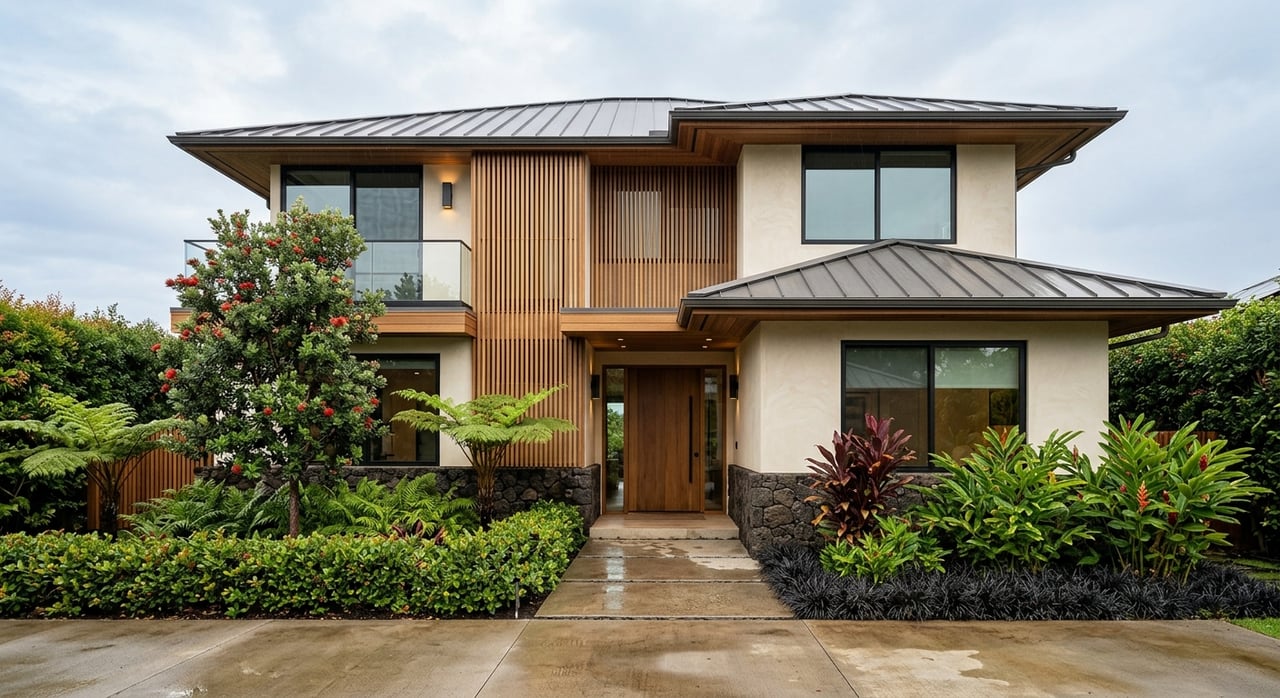
Thinking about selling your Kamuela home? In this market, a quick cleanup is rarely enough. Buyers in Waimea and the surrounding upland areas often look closely at land, condition, and records, so the smartest prep work goes beyond cosmetics. If you want to reduce surprises and put your home in the best position before listing, this guide will walk you through what matters most. Let’s dive in.
Start With Your Kamuela Property Story
Kamuela is shaped by Waimea’s upland ranch setting and deep paniolo heritage. Parker Ranch describes the area as part of the slopes of Mauna Kea and Kohala, with a long history tied to pastureland and stewardship. That matters when you sell, because buyers are often evaluating more than square footage alone.
If your property includes pasture views, mountain sightlines, usable acreage, fencing, agricultural outbuildings, or equestrian features, those details may help shape buyer interest. The key is to present them clearly and accurately. A clean, honest presentation helps buyers understand the value of the property without overpromising.
Focus on Climate-Driven Wear
Kamuela’s upland setting means weather can affect homes differently than in other parts of the island. NOAA notes that Hawaii’s climate is shaped by trade winds, elevation, terrain, and sharp rainfall differences over short distances. In practical terms, that can show up as moisture issues, drainage concerns, and uneven exterior wear.
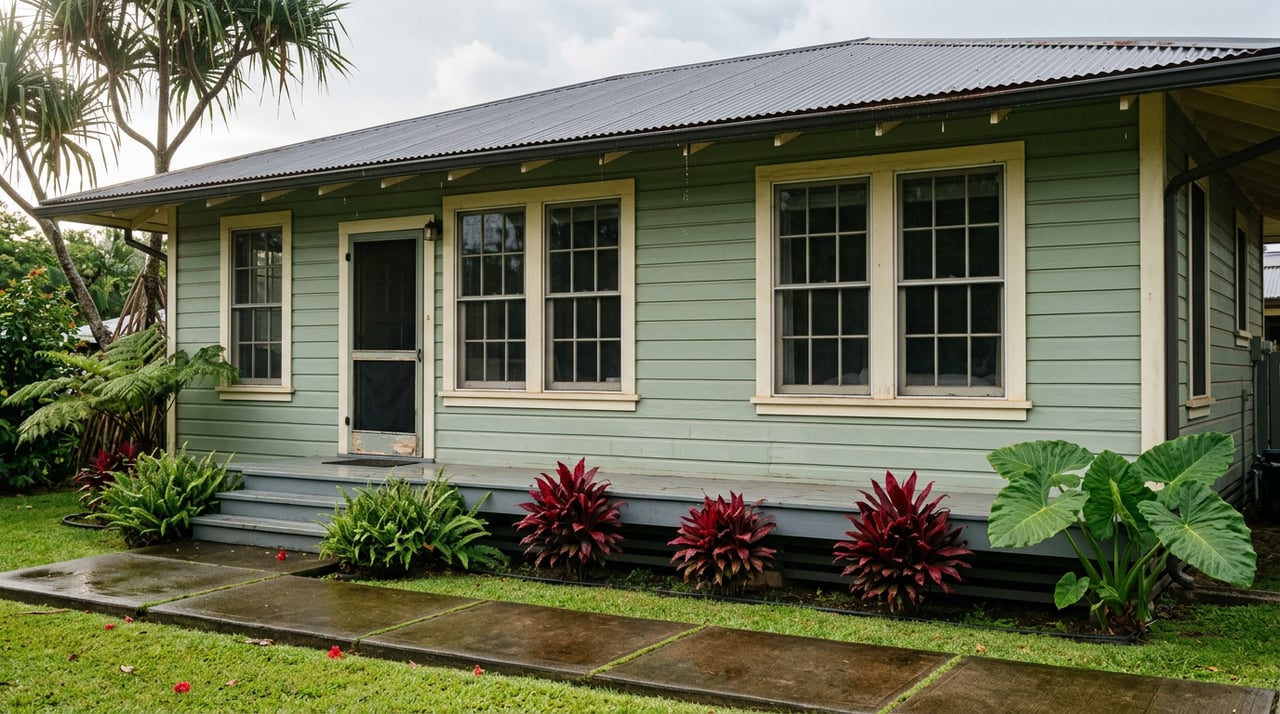
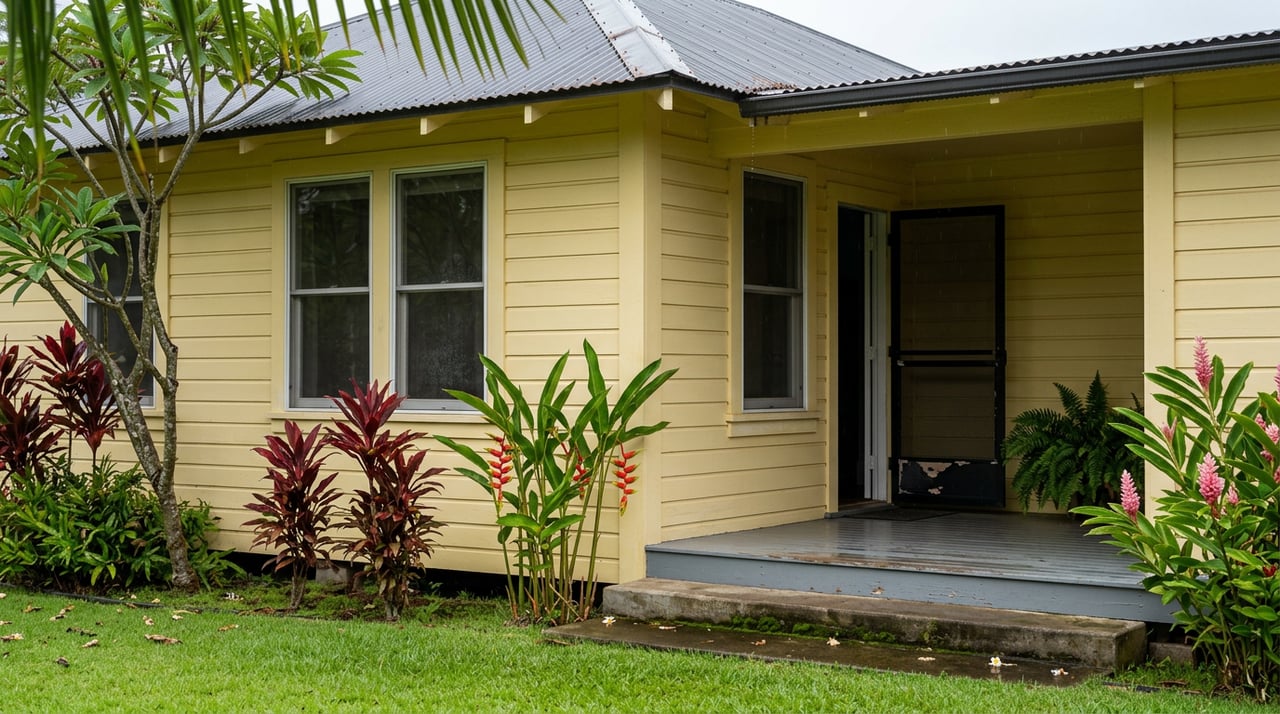
Before listing, take a close look at the parts of your home that face the elements most directly. Roof materials, trim, decks, lanais, windows, and drainage paths often deserve more attention than simple interior touch-ups. In many cases, buyers will notice these issues quickly because they can affect both maintenance costs and inspection results.
Prioritize Repairs That Protect Price
Not every repair carries the same weight. If you are deciding where to spend time and money, start with the items most likely to affect buyer confidence and negotiation leverage.
Repairs to address first
- Roof leaks or signs of past leaking
- Damaged flashing or worn gutters
- Exterior wood rot
- Deck or lanai deterioration
- Peeling exterior paint
- Failed window seals
- Poor drainage near the home
- Signs of water intrusion inside or outside
These issues matter because they can raise concerns during showings and inspections. In Kamuela, where weather exposure can be a real factor, buyers may view deferred exterior maintenance as a sign that larger problems could be hiding underneath.
Get Ahead of Termite Concerns
Termites deserve special attention when preparing a Hawaii home for sale. The University of Hawaiʻi Termite Project identifies the Formosan subterranean termite as the single most damaging insect pest to homes and structures in the state. That makes termite awareness a practical part of seller prep, not an optional afterthought.
A pre-list termite inspection can help you identify problems before a buyer does. If there is damaged wood, mud tubes, or suspicious trim, addressing it early can reduce the chances of last-minute repair requests or price renegotiation. It also helps you present the home with more confidence.
Organize Disclosures Early
Hawaii law gives sellers a clear disclosure framework, and that timeline matters. The seller disclosure statement must be delivered no later than 10 calendar days after acceptance of a purchase contract. The buyer then has 15 calendar days to examine the statement and decide whether to rescind.
If you discover a material fact later that directly, substantially, and adversely affects the property’s value, Hawaii law requires an amended disclosure within 10 calendar days of discovery, or by noon on the last business day before recordation if that comes first. For you as a seller, the takeaway is simple: it is better to uncover issues before listing than during escrow.
Smart disclosure prep steps
- Review known repairs and past issues
- Gather invoices and service records
- Make note of any recurring moisture, drainage, or structural concerns
- Flag upgrades or additions that may need permit documentation
- Resolve unanswered questions before the home goes live
This kind of prep can make the transaction smoother and reduce stress once you are under contract.
Gather Permits and Property Records
In Kamuela, records can matter almost as much as appearance. Hawaii County’s Building Division directs property owners to its EPIC permit system, and the Hawaii Department of Health recommends keeping the property’s TMK available when checking permits and approvals with county agencies or the Wastewater Branch.
That makes it smart to build a property file before listing. If you added a lanai, upgraded a system, built an outbuilding, or completed other major work, collect the permit records, completion documents, warranties, and related invoices now rather than scrambling later.
Helpful records to have ready
- Building permit records
- Final approvals or completion documents
- Contractor invoices
- Product or system warranties
- Termite inspection reports
- Wastewater system documents, if applicable
A well-organized records folder signals care and can make buyer questions easier to answer.
Use Licensed Contractors for Pre-List Work
If your home needs repairs before it hits the market, choose your vendors carefully. The Hawaii Department of Commerce and Consumer Affairs advises homeowners to hire licensed contractors, verify the contractor’s license number, and use licensed contractors for projects over $1,500 or for projects requiring building, electrical, or plumbing permits.
That guidance is especially important if your prep list includes more than basic maintenance. Licensed contractors can obtain and sign building permits, and DCCA notes that they are expected to carry workers’ compensation and liability insurance. For sellers, that can help reduce risk and improve confidence in the work being done.
Address Wastewater Questions Before Marketing
For some Kamuela properties, wastewater systems can become a major point of buyer review. The Hawaii Department of Health says Hawaii has about 88,000 cesspools statewide, with nearly 50,000 on the Big Island, and Act 125 requires replacement of all cesspools by 2050.
If your property has a cesspool, septic tank, or other onsite wastewater system, do not wait for a buyer to uncover missing information. Gather records, confirm the system type, and understand whether there are known issues. On rural or larger-lot properties, this can be one of the most important parts of pre-list preparation.
If a system is failing and an upgrade is needed, DOH says homeowners should hire a Hawaii-licensed civil engineer and then use a licensed contractor for the approved scope of work. Taking that seriously before listing can help prevent delays once the property is in escrow.
Highlight Views and Land Features Honestly
Kamuela buyers often respond strongly to a property’s setting. If your home has open pasture views, mountain views, usable outdoor areas, fencing, horse facilities, or ranch-style character, those features should be cleaned up and presented well.
That does not mean trying to oversell every structure or use. If an outbuilding is not permitted, or a feature is no longer functional, it should not be marketed as something it is not. Clear documentation and accurate presentation help build trust and protect your deal.
Use a Practical Final Prep Checklist
Once major repairs and records are handled, your final prep should help buyers focus on the home’s strengths. In Kamuela, practical improvements often go further than flashy upgrades.
Last-mile seller prep checklist
- Clean interior and exterior windows
- Open up view corridors where possible
- Mow and edge the grounds
- Remove clutter from lanais and entry areas
- Touch up faded exterior paint
- Organize permits, invoices, warranties, and inspection records
- Set aside termite and wastewater documents for easy review
These steps do not replace true repair work, but they can improve first impressions and keep buyers from mentally discounting the property the moment they arrive.
Why Preparation Matters in Kamuela
Selling well in Kamuela often comes down to being proactive. Buyers may be drawn in by the setting, but they also want confidence in the home’s condition, systems, and documentation. When you prepare early, you give yourself more control over pricing, negotiation, and timing.
This is also where local property knowledge can make a real difference. In a market shaped by elevation, weather exposure, land use, and rural infrastructure, the details matter. The more clearly you can present both the lifestyle and the facts of your property, the better positioned you are for a smoother sale.
If you are getting ready to sell and want practical guidance on pricing, prep, and likely inspection concerns, Hawaii Development Group can help you build a smart plan for your Kamuela home.
FAQs
What should Kamuela sellers repair before listing a home?
- Start with issues that can affect inspections and buyer confidence, such as roof leaks, wood rot, drainage problems, peeling exterior paint, deck or lanai deterioration, and signs of water intrusion.
What does Hawaii seller disclosure require for a Kamuela home sale?
- Hawaii law requires the seller disclosure statement to be delivered no later than 10 calendar days after acceptance of a purchase contract, and buyers then have 15 calendar days to review it and decide whether to rescind.
Why do permit records matter when selling a Kamuela property?
- Permit records help support disclosures and answer buyer questions about additions, upgrades, decks, lanais, outbuildings, and other work completed on the property.
Should a Kamuela seller get a termite inspection before listing?
- A pre-list termite inspection can be a smart step because termite damage can lead to repair requests, credits, or renegotiation during escrow.
What wastewater information should Kamuela sellers gather before marketing a home?
- If the property has a cesspool, septic tank, or other onsite wastewater system, gather system records, confirm the system type, and identify any known issues before the home goes on the market.