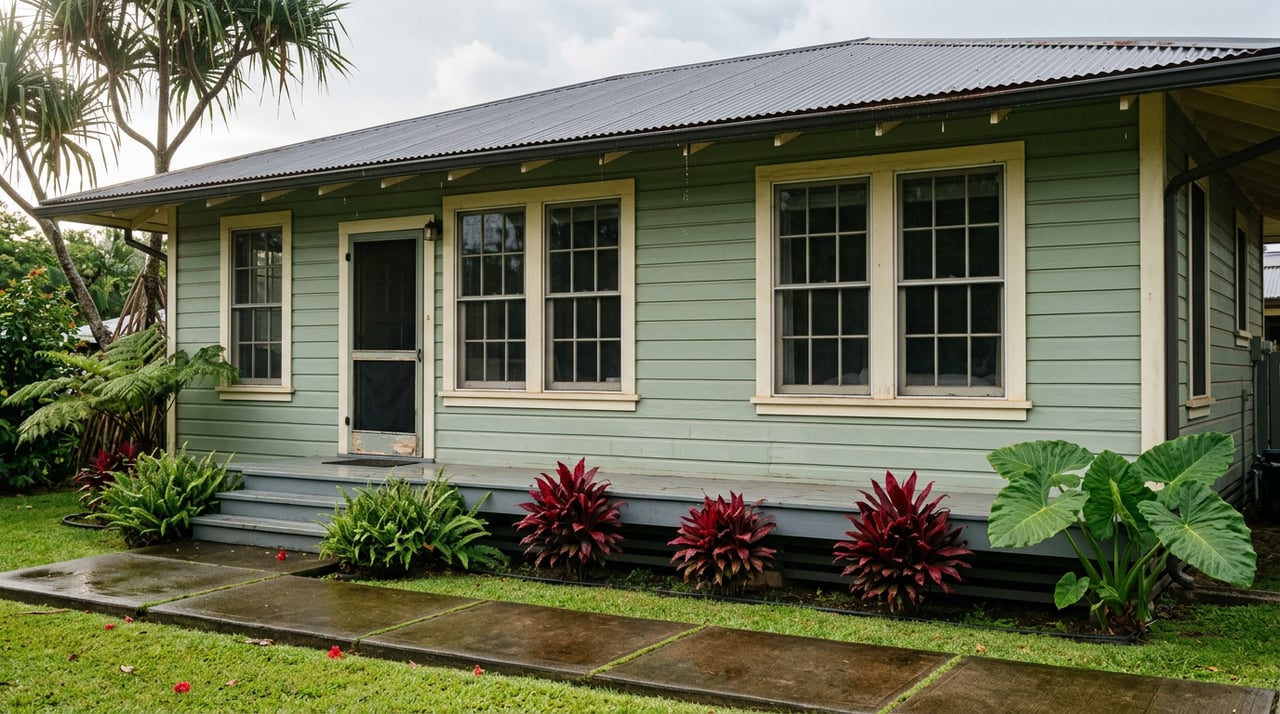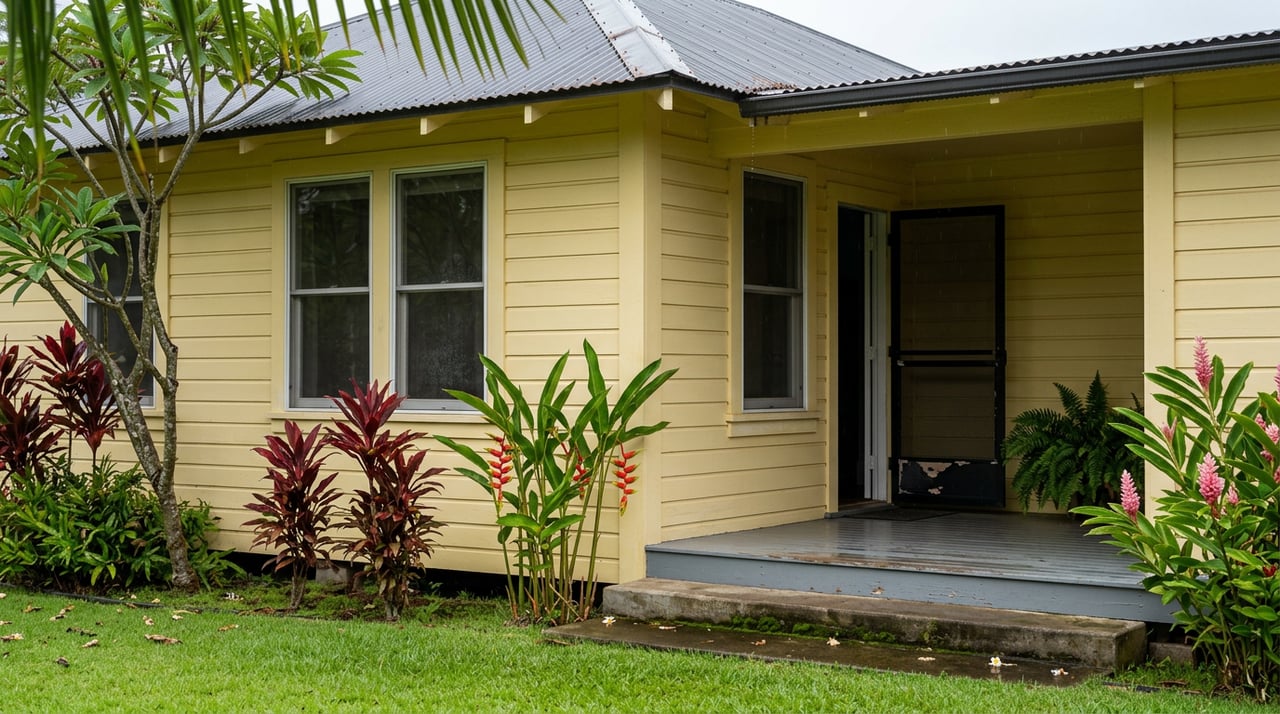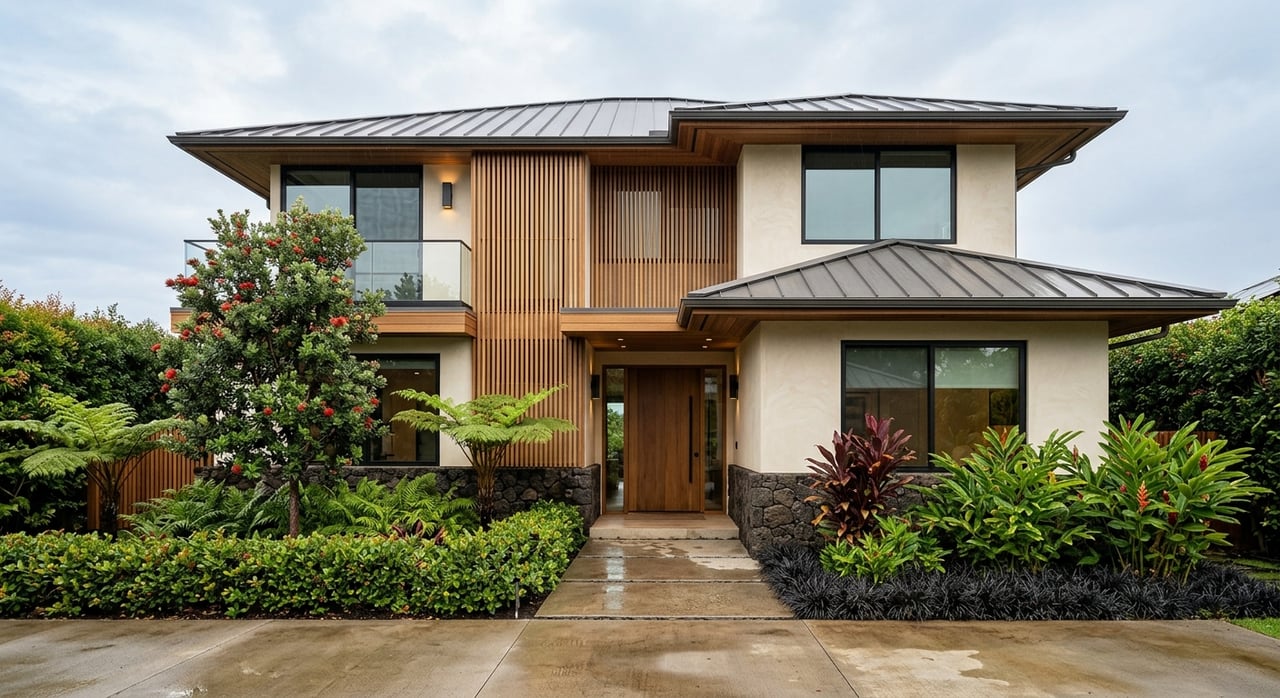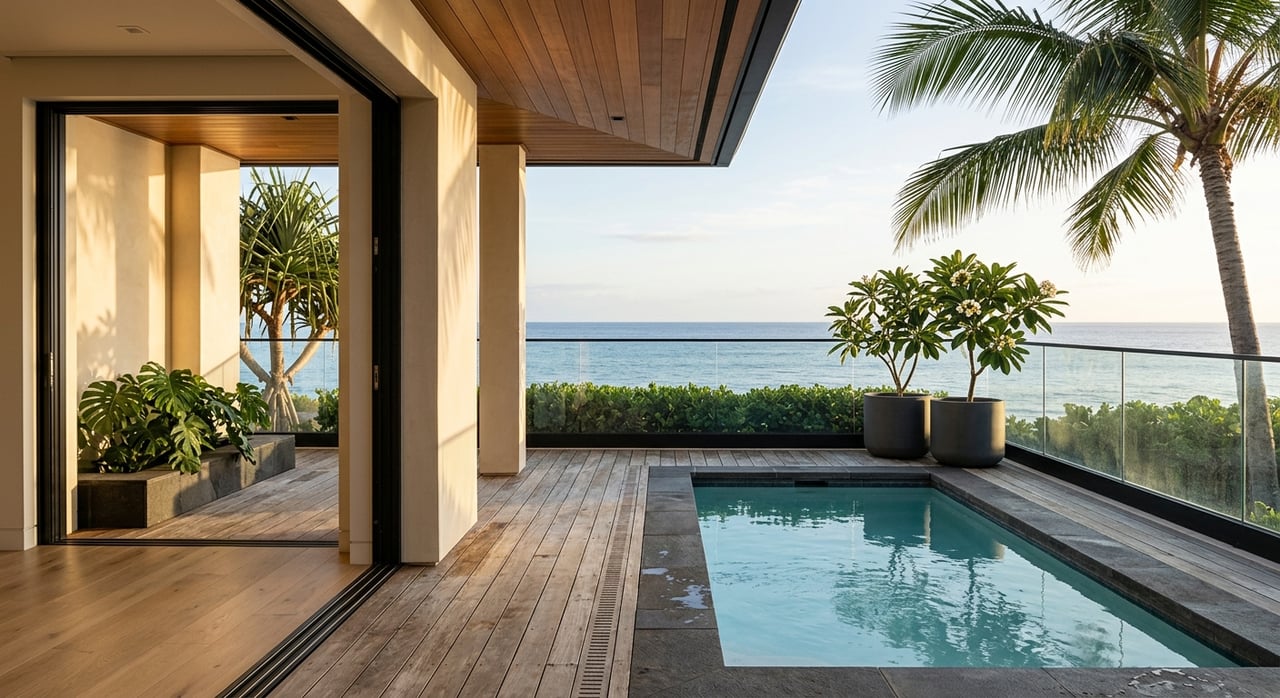
Thinking about buying in Kamuela? It can be one of the most rewarding places to own on the Big Island, but it also asks you to look closer than you might in a more typical neighborhood market. Between the cooler upland climate, rural land patterns, and parcel-by-parcel property differences, the details matter here. This guide will help you understand what makes Kamuela unique, what to verify before you make an offer, and how to approach the market with more confidence. Let’s dive in.
Kamuela and Waimea mean the same area
If you are new to this part of the island, the first thing to know is that Kamuela and Waimea are used for the same market area. County planning documents commonly refer to the community as Waimea, while USPS uses Kamuela for postal services. In day-to-day real estate conversations, buyers may hear both names.
What matters more is the setting. This is an inland South Kohala community on a plateau between the Kohala Mountains and Mauna Kea. County planning describes Waimea as a rural community, which gives you a very different experience from the more resort-oriented coastal areas nearby.
Kamuela has a cooler rural feel
Many buyers come to the Big Island expecting shoreline weather and resort surroundings. Kamuela offers something different. It is known for open pasture views, ranch land context, and a town center that serves the surrounding uplands.
That character is closely tied to Parker Ranch and the area’s long ranching history. Even when a home is in town or inside a subdivision, the broader landscape can still feel agricultural and open rather than suburban or coastal.
Climate should shape your search
One of the biggest buying mistakes in Kamuela is assuming the weather will feel like the coast. Hawaiʻi’s climate changes quickly with elevation, trade winds, and rain shadows. NOAA notes that temperature generally drops about 3 degrees for every 1,000 feet of elevation.
That matters in Kamuela, where the climate is often cooler and greener than places closer to the shoreline. According to the County of Hawaiʻi’s South Kohala Community Development Plan, the Waimea area sees about 20 to 80 inches of average annual rainfall, with average daily highs around 75°F and lows around 60°F. By comparison, Waikoloa and much of the South Kohala coast are much drier.
Microclimates can change fast
In Kamuela, one part of the area may feel misty and green while another feels sunnier and drier. The county describes Waimea as the greener mountainous part of the district, with pastures and forests supported by fog, mist, and rain. That means your experience can vary meaningfully by elevation, neighborhood, and lot location.
If climate is a major factor for you, it helps to visit properties at different times of day. A home that looks ideal online may feel very different in person once you experience the wind, moisture, and temperature firsthand.
Lot sizes are not one-size-fits-all
In many markets, buyers assume a neighborhood will have fairly predictable lot patterns. Kamuela is not always like that. Recent county rezoning materials for the Waimea area noted nearby subdivision lot sizes ranging from about 8,398 square feet to 2 acres.
That range tells you something important: you should not assume a Kamuela address means a standard suburban homesite. Some properties are smaller and closer to town, while others may reflect rural subdivision patterns or larger land holdings.
Land-use rules matter here
State land-use rules add another layer. The Land Use Commission says rural districts are primarily small farms mixed with low-density residential lots with a minimum size of one-half acre. Hawaiʻi Revised Statutes Chapter 205 also says agricultural district lot size for agricultural use is set by county ordinance but may not be less than 1 acre.
For buyers, the takeaway is simple. If you are hoping to expand, build additional improvements, keep land flexible, or simply understand what surrounds you, you need to confirm the actual parcel rules rather than rely on assumptions.
Subdivision rules can affect your plans
A property in Kamuela may come with more than zoning and land-use rules. Hawaiʻi County warns that homes in subdivisions may also be subject to CC&Rs and HOA bylaws. Those rules can affect buildable area, setbacks, unit size, height, materials, accessory structures, and design standards.
This is especially important if you are buying with future changes in mind. If you plan to add an accessory structure, alter the exterior, or make site improvements later, those controls should be part of your review before you write an offer.
Water and infrastructure need verification
In a market with rural characteristics, utilities and infrastructure deserve close attention. The County Department of Water Supply has a Waimea office and manages island water systems, but service still needs to be confirmed on a property-by-property basis.
That means you should verify the water source and service arrangement for each parcel. A home may be on county water, a private setup, or another arrangement, and that difference can shape both day-to-day ownership and long-term planning.
Ranch-adjacent homes need extra questions
Because Kamuela sits in long-established ranch country, many properties feel ranch-adjacent even when they are not large agricultural parcels. That can be part of the appeal. Open views, pasture surroundings, and a stronger connection to the land are reasons many buyers choose this area.
At the same time, rural context brings practical questions. If a property is near pasture or larger acreage, ask about fencing, livestock exposure, easements, access routes, and maintenance expectations. These are not unusual concerns here, and they are worth understanding early.
Town living is practical in Waimea
Buyers are sometimes surprised to learn that Waimea offers a solid set of daily services. Official sources show that Queen’s North Hawaiʻi Community Hospital is located in Waimea, and the town also includes Hawaiʻi Preparatory Academy, Parker School, Parker Ranch Center, and access to Waimea-Kohala Airport as part of the island airport system.
In practical terms, this means Kamuela is not cut off from everyday needs. You can handle many errands and services in town, which is part of what makes the area appealing for full-time living as well as for buyers who want a more grounded Big Island experience.
Beach access is a separate decision
If your picture of island living centers on quick beach access, it is important to understand the town-versus-coast tradeoff. Kamuela is inland. The South Kohala shoreline amenities most people think about, including areas near Kawaihae Harbor, Spencer Beach, Hapuna, Mauna Kea, Mauna Lani, and Waikoloa Beach Resort, require a separate drive.
That does not mean the coast is out of reach. It means you should think of Kamuela as inland access to the coast, not beachfront living. The county shoreline access guide also notes practical conditions such as hazardous currents, rocky footing, shorebreak, parking limits, and in some cases gate-controlled or resort-managed access.
Questions to ask before making an offer
In Kamuela, the smartest buying questions are usually about the parcel itself. Hawaiʻi County planning guidance points owners toward checking zoning, setbacks, flood zones, subdivision maps, septic or cesspool requirements, and Special Management Area status before moving ahead.
Here are some of the most useful questions to raise during your search:
- What zoning applies to this parcel?
- What state land-use district applies to it?
- Is the property inside a subdivision with CC&Rs, design guidelines, or HOA rules?
- What is the water source and service setup for this lot?
- Are there easements, access issues, fencing needs, or ranch-related considerations?
- How does the drive to town compare with the drive to the coast?
- Are there flood-related, shoreline-related, or wastewater-related issues that could affect future use or improvements?
Why local due diligence matters in Kamuela
Kamuela rewards buyers who slow down and look closely. A home here may offer cooler temperatures, green surroundings, and a strong sense of place, but each property can come with its own mix of land-use rules, climate conditions, and infrastructure details.
That is why local guidance matters. A buyer who understands build quality, site conditions, utility setup, and parcel restrictions is in a better position to choose well and avoid surprises later.
If you want a grounded, practical read on a Kamuela property, Hawaii Development Group can help you evaluate the details that matter before you move forward.
FAQs
What should you know about the Kamuela vs. Waimea name?
- Kamuela and Waimea refer to the same general community, with Waimea commonly used in county planning and Kamuela used by USPS for postal services.
What is the climate like when buying a home in Kamuela?
- Kamuela is generally cooler and greener than the South Kohala coast, with conditions shaped by elevation, trade winds, and local microclimates.
Are lot sizes in Kamuela usually large?
- Not always. Waimea-area lot sizes can vary widely, from under 10,000 square feet in some subdivisions to multiple acres in other settings.
What property rules should buyers check before buying in Kamuela?
- You should confirm zoning, state land-use district, subdivision status, CC&Rs, HOA rules, setbacks, and any parcel-specific restrictions before making an offer.
Is Kamuela close to the beach for everyday living?
- Kamuela offers inland access to the coast, but beaches and shoreline recreation are a separate drive rather than part of beachfront town living.
Why is parcel-by-parcel due diligence so important in Kamuela real estate?
- Properties in Kamuela can differ significantly in climate, lot size, water service, subdivision controls, and rural land context, so each parcel needs its own careful review.